






































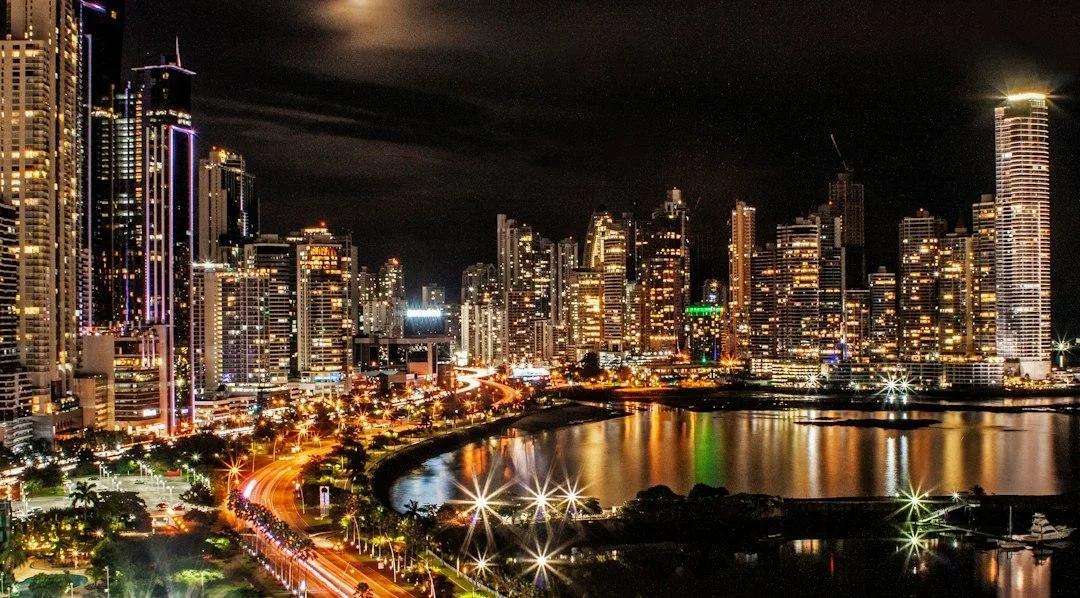
Panama's investor visa real-estate rules have not simply been raised; they have been split into two tracks, which means the change is better read as a regulatory bifurcation than as a blanket price increase. This is not a broad Panama real estate increase; it is a carve-out for new-builds and a harder line on resales.
As of Executive Decree No. 17, signed September 8 and published in the Official Gazette on September 16, 2026, buying resale property under the Panama Qualified Investor Visa now requires a minimum investment of US$500,000.
Buying a new property directly from the developer, a first sale, never previously occupied or transferred, still qualifies at US$300,000. The rule took effect immediately on publication, so there is no grace period for new applicants.
Why Panama drew the line here
The decree's own text frames the change as construction policy, not immigration policy.
New-build purchases, it says, help restart the construction industry and reduce unsold inventory. Resale transactions, by contrast, generate a smaller 'multiplier impact' on jobs.
David Lincoln, founder and CEO of Lincoln Global Partners, reads the decree as a sign of strength for the Panama investor visa, not a warning sign. He points to the decision to keep the US$300,000 threshold for new developments as a stabilizing move, one that gives the program a steadier base and suggests the government wants investor money pointed at construction, not treated as a headline response. For buyers weighing a resale purchase at the new US$500,000 minimum, timing matters more than it did a month ago, because the transition window for older contracts will not stay open forever.
Panama wants investor capital flowing into buildings that are still being built, not changing hands between existing owners.

Not sure how this fits your strategy?
A focused consultation to assess your objectives and shortlist the right options.
What counts as 'new,' exactly
The decree defines a qualifying first-sale property as the initial transfer of a new, unoccupied unit from the developer or promoter, verified through public registry records and, where relevant, construction or occupancy permits.
Off-plan and pre-construction purchases still qualify at US$300,000 too. To count, the deal must move through a promise-of-sale agreement funded through a licensed trust, or be paid to the developer in full and backed by a bank guarantee.
A resale property is any unit an owner has already sold, leased, or transferred to an unrelated third party, or any unit that has simply been occupied. That now requires US$500,000, full stop. Inheritance and certain internal reshuffles do not count as a 'prior sale,' but a real change of hands does.
The two tests at a glance: first sale from the developer or promoter, never occupied, registry-verified: US$300,000. Anything already sold, leased, transferred or occupied: US$500,000.
If you already have a contract in motion
Applications already filed with Panama's investment authority before the decree took effect keep the old US$300,000 single threshold. Investors with signed contracts or investments made before September 16 can also use the old rule, but only if they file within six months. After that window closes, the new split applies, even if the contract was signed earlier.
If you are mid-negotiation on a resale property, that six-month clock is worth building into your timeline.
What this means if you're deciding now
For buyers still choosing a property, the math is blunt: a new-build unit from a developer now costs US$200,000 less to qualify with than a comparable resale unit. That difference is not marginal; it changes which projects belong on the shortlist and will likely pull demand toward active construction pipelines over the next year.
The practical catch is that not every 'new' listing actually meets the decree's first-sale test, and not every developer using a promise-of-sale structure has the bank guarantee the new rules now require. Verifying that a unit genuinely qualifies before any money moves is the part most people miss.
This is where a firm with direct developer relationships in Panama matters more than a generic listings site. Lincoln Global Partners tracks Panama City and beach-corridor projects that have already been checked against the investor threshold, including new-build units from US$300,000 that are structured to satisfy the current rule. For buyers aiming at permanent resident Panama status, that screening can prevent a failed filing before it starts.
We confirm a project's first-sale status, the developer's guarantee documentation, and the live threshold before a client commits, not after.
For the full mechanics of the residency program itself, investment routes, holding periods, the path to citizenship, and how the numbers compare with other Latin American options, our Panama Qualified Investor Visa guide walks through it in detail.
Explore Real Estate Opportunities →
This article reflects Executive Decree No. 17 (September 2026), reported by IMI Daily. Programme terms are set by the Government of Panama and can change; confirm current figures with Lincoln Global Partners before filing.
Common questions
Is the US$300,000 Panama QIV threshold gone? +
No. It still applies to new-build property bought directly from a developer. Only resale property moved to US$500,000.
Does this apply to contracts signed before the decree? +
Investors with contracts predating September 16, 2026 can still use the old US$300,000 single threshold, but they must file within six months of that date.
Does off-plan property still qualify? +
Yes, at US$300,000, provided the funds are held in a licensed trust or backed by a bank guarantee to the developer, as the decree now requires.
Why did Panama do this? +
The government says it wants to direct investor capital toward new construction, which it argues creates more jobs and economic activity than resale transactions.