





































Lincoln Global Partners is an official marketing agent of the programme
Applications under this programme can only be filed by an agent licensed by the Citizenship by Investment Unit. Lincoln Global Partners FZCO holds a Marketing Agent licence issued under Decree-Law No. 07/2025 and signed by the Unit's Chief Executive. You are dealing directly with an authorised agent, not an intermediary, and everything on this page is written from that position.
STP-2025-8
STP Citizenship Investment Unit
Decree-Law No. 07/2025
Disney Leite Ramos, CEO
What is São Tomé and Príncipe citizenship by investment?
São Tomé and Príncipe citizenship by investment grants you and your family full citizenship in exchange for a non-refundable donation of USD 90,000 to the National Transformation Fund, with no requirement to live in or even visit the islands. It was established in 2025 under Decree-Law No. 07/2025 and is the lowest-priced programme of its kind anywhere.
São Tomé and Príncipe is a two-island nation in the Gulf of Guinea, off the west coast of Central Africa, and a founding Portuguese-speaking member of the CPLP. That single fact, its membership of the Community of Portuguese Language Countries, is what makes the passport interesting to a strategic investor. On its own the document offers modest travel freedom. Paired with the mobility and naturalisation rules of the wider Lusophone world, it becomes a low-cost entry ticket toward far stronger citizenships in Portugal and Brazil.
Be precise about what this is. It is a direct citizenship programme, not a residency scheme: the donation makes you a citizen, and a passport is issued without your first holding residence. That is the opposite of a European golden visa, where you earn citizenship slowly through years of residence. São Tomé and Príncipe is fast and inexpensive at the front end, and its value at the back end depends entirely on how you use the Lusophone routes it unlocks. Read that way, the programme is less a passport purchase than the first move in a longer plan.
A word on how to read this guide. The programme sits at the intersection of three separate questions, and most of the mistakes we see come from answering only one of them. The first is whether the citizenship itself is sound, lawful, well-documented and permanent. The second is what the passport really does for your travel, which is less than the marketing suggests. The third is whether the Lusophone naturalisation routes fit your life, because they require relocation to a country you may not have considered. Throughout, we separate those three and flag where the truthful answer is "it depends".
Key takeaways
- USD 90,000 donation to the National Transformation Fund, rising to USD 95,000 for a principal applicant with up to three dependents. Total to government for a single applicant is USD 95,750.
- Fully remote. No visit, no interview, no language, culture or history test, and no residency requirement before or after.
- Approval at roughly two months, passport at roughly four. Those are the averages the Unit itself reported for the programme's first year, not marketing estimates.
- Wide family scope. Spouse, children to age 30, and parents, grandparents and parents-in-law from 55.
- Modest mobility. Around 56 destinations visa-free or visa-on-arrival, more than 90 once e-Visas are counted. No Schengen, UK, US or Canada visa-free access.
- The CPLP is the real asset. São Toméan nationals sit on Portugal's 7-year naturalisation track rather than the standard 10, and potentially on a 1-year Brazilian route that remains legally untested for citizens by investment.
- Permanent and heritable. Citizenship passes to future generations, and the names of those who acquire it are not published.
Programme thresholds, fees, processing times and visa-free access change. Figures on this page are stated against the Citizenship by Investment Unit's First Year Report of 1 September 2026 and other primary sources, and should be confirmed with a licensed agent before you commit.
A first year, in the government's own figures.
On 1 September 2026 the Citizenship by Investment Unit published its First Year Report. It is the only disclosure of its kind any new programme has made this early, and it is the reason this guide can be specific where other pages estimate.
"Our focus is on sustaining this progress and growing the Program responsibly, in the long-term interests of São Tomé and Príncipe."
Three things in that table are worth reading twice
Twelve rejections against 362 decided files. That is low, and it tells you the pre-screening done by licensed agents is doing most of the filtering before a file reaches the Unit. It also means a rejected file is usually a file that should never have been submitted.
350 approvals have produced 117 citizenships and 29 passports. The Unit says so plainly in its report and describes the steps it is taking, including expanded capacity in São Tomé. Anyone telling you the passport arrives six weeks after you sign is describing a programme that does not exist yet.
Of the 350 approvals, around half had completed their qualifying contribution, generating over USD 9,800,000 for the National Transformation Fund. Approval in principle is a decision, not a commitment, and the 90-day payment window explains part of the gap.
Is the São Tomé programme still available in 2026?
Yes. The programme is open and operating under Decree-Law No. 07/2025, which established it in 2025, and the Unit published a full first-year report in September 2026. It is newer and less battle-tested than the Caribbean programmes, so terms and processing can still move.
São Tomé and Príncipe is one of the newest entrants to the citizenship by investment market. Unlike the Caribbean programmes, which have decades of history, or Vanuatu, which has run since 2017, this route was formalised only in 2025. That newness cuts both ways. On one hand, the pricing is aggressive precisely because the government is building volume to fund its national transformation agenda. On the other, a young programme has a shorter track record on processing reliability, banking acceptance and international recognition than an established one.
What that means in practice is straightforward. The core terms, a USD 90,000 donation, remote processing and no residency, are real and current, and the first-year report has now put verifiable numbers behind them. But you should still treat operational detail as capable of change and confirm it at the point you apply. Programmes at this stage of their life adjust fees, tighten due diligence and refine eligibility as they mature, and this one has already amended its own law once, in January 2026, to permit fully remote issuance of the identity card and passport.
The honest framing is this. São Tomé and Príncipe is the cheapest credible citizenship on the market and a real Lusophone entry point, but it is also the least established. If you value a long, proven track record above price, a Caribbean programme may suit you better. If price and the CPLP angle are what you are after, this programme is hard to match, provided you go in with clear eyes about its youth.
São Tomé and Príncipe citizenship benefits
The core benefits are affordability, speed, a fully remote process, wide family inclusion, dual-citizenship rights and access to the CPLP framework. Travel freedom is a secondary and modest benefit rather than the headline.
- Lowest entry price in the market. USD 90,000, against USD 200,000 or more for the Caribbean five and USD 400,000 for Türkiye.
- Genuinely remote. No visit at any stage, no interview, no language or history test, and remote passport issuance since January 2026.
- Fast by sector standards. Two months to approval on average, with the fastest recorded approval at 26 days.
- Wide dependent rules. Children to 30, parents and grandparents from 55, parents-in-law included, and a family of four costs only USD 8,000 more than a single applicant once documents are counted.
- Permanent, heritable and private. Citizenship passes to your descendants, and the names of those who acquire it are not published.
- Dual citizenship permitted. Most applicants keep their existing nationality, subject to their own country's law.
- CPLP standing. The one benefit no Caribbean programme can match, and the reason most of our clients look at this programme at all.
Those bullets flatten differences worth separating. Affordability is the headline and the most concrete: at USD 90,000 the programme changes the arithmetic of holding a second citizenship, turning it from a USD 200,000-plus decision into something a great many families can simply fund. Speed and the remote process compound that value, because they lower the friction as well as the cost. You do not take time off, you do not fly anywhere, and you do not sit an interview.
The subtler benefits are neutrality and inheritance. A São Toméan passport carries no geopolitical baggage, which matters to a family whose primary nationality attracts friction at borders or sits in a volatile region. And because citizenship here is permanent and heritable, a single application secures the same status for your children and, through them, for the next generation. Many of our clients frame the decision as multi-generational rather than personal for exactly that reason.
"We only put a client into São Tomé and Príncipe when the goal is a Lusophone hedge or a low-cost second citizenship. For pure mobility we say so, and point them elsewhere."
It is worth naming what the programme is not, because that is where disappointment comes from. It is not a strong travel document, and no amount of framing changes that. It is not a tax residency, and holding it does not alter your obligations at home. And it is not, on its own, a route to Portugal or Brazil. It is a Lusophone key that makes those routes cheaper and faster to unlock, but the unlocking still takes years and genuine relocation. Approach it as adding an option rather than buying an outcome, and it rarely disappoints.
The CPLP fast track: a Lusophone key to Portugal and Brazil
Because São Tomé and Príncipe belongs to the CPLP, its citizens qualify for shorter naturalisation timelines across the Portuguese-speaking world: seven years in Portugal instead of ten, and potentially one year in Brazil instead of four, though the Brazil route is legally untested for citizens by investment. It is not free movement and it is not a residence permit. The full sequence, with the costs and the legal caveats, is in CPLP citizenship: one language, three passports; the Brazil and Portugal legs have their own guides: Brazil citizenship by investment and Portugal citizenship for CPLP nationals.
The CPLP, the Community of Portuguese Language Countries, links nine member states across four continents: Portugal, Brazil, Angola, Mozambique, Cape Verde, Guinea-Bissau, São Tomé and Príncipe, Equatorial Guinea and Timor-Leste. Beyond shared language and culture, the bloc underpins mobility and preferential naturalisation arrangements between members through the 2021 CPLP Mobility Agreement. Acquiring São Toméan citizenship makes you a Lusophone national, and that status, not the passport's travel power, is the asset that does the real work.
This is also the most oversold benefit in the market, so here is the careful version, split into what is settled, what is not, and what is in flux.
Portugal: seven years, not ten
Portugal's Nationality Law, Lei Orgânica 1/2026, entered into force on 19 May 2026. It raised the standard naturalisation requirement to ten years of legal residence but kept a shorter seven-year route for CPLP and EU nationals. São Tomé and Príncipe is a CPLP state, so a São Toméan who becomes resident in Portugal sits on the seven-year track.
A preferential rate, not a shortcut. It still requires seven years of genuine legal residence, A2 Portuguese, the culture and civics test and a clean record. The passport does not deliver Portuguese citizenship on its own, and Portuguese nationality law has been under active reform, so take current Portuguese advice rather than relying on any summary written today.
Brazil: possibly one year, not four
Brazil's Constitution grants nationals of Portuguese-speaking countries naturalisation after one year of uninterrupted residence, against four for others, and the CPLP Mobility Agreement lets Brazil grant residence on nationality alone. In principle a São Toméan could combine the two.
The catch is real. The wording covers those originating from Portuguese-speaking countries, and whether that reaches citizens by investment has not been tested before Brazilian authorities or courts. Anyone selling it as guaranteed is ahead of the law. It also requires genuine relocation and Brazilian tax residency.
What CPLP membership is not
It is not free movement. It is not a residence permit. It confers no right to live or work in Portugal or Brazil, and any page telling you a São Toméan passport gets you into the European Union is wrong. What the membership changes is the paperwork and the clock once you are already pursuing a route in a member state, and that is a smaller claim than the one being sold.
How the combination works, stage by stage
Acquire CPLP nationality
São Tomé and Príncipe citizenship, from USD 90,000, makes you a citizen of a Portuguese-speaking country remotely, with approval typically at two months.
Establish residence where it counts
Move to Portugal on a residence route, or to Brazil under the CPLP Mobility Agreement. This is the step that starts the naturalisation clock in earnest, and it requires genuine relocation.
Naturalise on the preferential timeline
Portugal after seven years, or Brazil after roughly one, subject to each country's language, residence and good-standing conditions, and to the Brazil route being recognised for citizens by investment.
| Destination | Standard naturalisation | CPLP national | Status |
|---|---|---|---|
| Portugal | 10 years' residence | 7 years' residence | In force, Lei Orgânica 1/2026 |
| Brazil | 4 years' residence | 1 year's residence | Untested for citizens by investment |
Portugal
Simplified visa and residence procedures for CPLP nationals, and the seven-year naturalisation track. The law is under reform, so the current position is what matters, not the historic one.
Brazil
Simplified visa and residence procedures for CPLP nationals, with streamlined processing in defined cases. For families already looking at the Southern Cone, a São Toméan passport can sit alongside a Brazilian residency plan rather than competing with it.
"Clients ask whether this passport gets them into Europe. It does not. What CPLP membership changes is the paperwork once you are already pursuing a European route, and that is a smaller claim than the one being sold."
How we advise on this. The Portugal seven-year track is settled and citable. The Brazil route is a credible strategy that depends on relocation and rests on constitutional language not yet applied to economic citizens. We present it as an opportunity to structure and time with proper Brazilian legal advice, never as a certainty. If your plan hinges on Brazil specifically, treat São Toméan citizenship as the first step in a longer, advised process rather than a finished solution. Our Brazil and Portugal desk works on Lusophone structuring daily: if the CPLP dimension is the reason you are looking at this programme, say so at the outset, because it changes which questions matter.
What it costs, every line of it.
A single applicant pays USD 95,750 to government: a USD 90,000 donation, a USD 5,000 submission fee and USD 750 of document fees. A family of four pays USD 103,000. Professional fees are separate and are quoted in writing before any engagement.
Government charges are fixed and published. They cannot be discounted by any agent, and we are prohibited from doing so under the terms of our licence. Professional fees are separate and are ours: we state them rather than folding them into a single number.
| Item | USD |
|---|---|
| Donation to the National Transformation Fund | 90,000 |
| Submission fee, per application | 5,000 |
| Citizenship certificate, per applicant | 250 |
| Passport, per applicant | 350 |
| National identity card, per applicant | 150 |
| Total to government | 95,750 |
| Composition | Donation | Submission | Documents | Total |
|---|---|---|---|---|
| Single applicant | 90,000 | 5,000 | 750 | 95,750 |
| Couple | 95,000 | 5,000 | 1,500 | 101,500 |
| Family of three | 95,000 | 5,000 | 2,250 | 102,250 |
| Family of four | 95,000 | 5,000 | 3,000 | 103,000 |
| Family of five | 100,000 | 5,000 | 3,750 | 108,750 |
The donation covers the principal applicant plus up to three dependents at USD 95,000. Each additional qualifying dependent adds USD 5,000. Document fees are USD 750 per person: certificate 250, passport 350, national identity card 150. A benefactor sponsoring an application attracts a further USD 5,000 due diligence fee.
Note what that ladder does to the arithmetic. A family of four pays USD 8,000 more than a single applicant once documents are counted, which is why families of three and four were the largest single group in the programme's first year. If you have qualifying dependents, applying alone is close to the worst value on the table.
Adding family later
Dependents can be added after the certificate of registration is issued. A spouse costs USD 10,000, a child, parent or grandparent USD 5,000, plus a USD 5,000 submission fee per request regardless of how many are added at once, plus the usual USD 750 of document fees each. Adding someone before approval in principle attracts no second submission fee.
Professional fees
Our fee is quoted in writing before any engagement and covers pre-screening, file preparation, submission, and management of the post-approval stage through to document handover. Third-party costs such as certification, translation, apostille and courier are billed at cost.
[LGP FEE: insert figure or "from USD X".]
Payment timing
Nothing beyond the submission fee is payable until the Unit issues approval in principle. The donation and document fees then fall due within 90 days, with a single 90-day extension available on request. Instalments are not permitted. Cryptocurrency is accepted as a source of funds provided the payment itself is made in US dollars and the origin of the funds is documented.
Government figures are as published by the Citizenship by Investment Unit and current at 1 September 2026. They exclude professional and third-party costs. Confirm the current schedule with a licensed agent before you proceed.
Paying for it, and proving where the money came from
The donation is paid in cleared US dollars through the banking system after approval in principle, and the single most important part of the application is a clean, well-documented source of funds. Assemble that evidence early: it is where applications slow down or fail.
The qualifying donation is straightforward to pay: it is a bank transfer of cleared funds, not an exotic instrument, and it is not payable at all until the Unit has approved your file in principle. What takes preparation is the evidence behind it. Like every credible citizenship programme, this one applies anti-money-laundering and due diligence checks, and the burden is on you to show that the money is lawfully yours. That means documenting the origin of the funds, whether salary, business proceeds, investment returns, a property sale or an inheritance, with statements, contracts, tax records or similar, traced through to the account the donation is paid from.
The part that trips people up is not the amount but the trail. A payment that arrives from an account you cannot cleanly explain, or wealth whose origin is asserted rather than evidenced, is exactly what slows an application or triggers a refusal. Cryptocurrency is expressly accepted as a source of funds, but expect extra scrutiny: you will generally need to show acquisition history, exchange records and the conversion to conventional currency, and the payment itself must be made in US dollars. None of this is unusual or unreasonable, but it rewards starting early and working with an adviser who assembles the file to the standard the screening expects rather than the minimum you think it needs.
A benefactor can sponsor an application. Where that happens the sponsor's own source of funds is documented in full and a further USD 5,000 due diligence fee applies.
Who qualifies, and who does not.
The principal applicant must be at least 18, hold a clean criminal record, be in good health and evidence a lawful source of funds. There is no language, culture, history, education or residency test and no requirement to have visited the country. Holders of North Korean citizenship are prohibited, and the programme recognises opposite-sex marriage only.
The eligibility bar is deliberately light, which is part of the programme's appeal, but the due diligence behind it is real and applications can be refused. What is striking is the list of things you do not need: no Portuguese, no interview, no qualification, and no presence in the country at any stage. That combination is what makes the programme accessible to applicants who cannot or do not want to relocate. It is also why the quality of your documentation, rather than your personal circumstances, tends to determine the outcome.
| Relationship | Condition |
|---|---|
| Spouse | Monogamous marriage only. One spouse per application. |
| Children | Biological or legally adopted, of the principal applicant or spouse, up to and including age 30. Those aged 18 to 30 must be unmarried and financially dependent, supported by an affidavit. |
| Parents and grandparents | Of the principal applicant or spouse, aged 55 or over. Parents-in-law included. |
The programme recognises marriage between opposite-sex spouses only. Same-sex couples cannot apply together. We state this plainly because it is material, and because an applicant should learn it here rather than after a submission fee has been paid.
Nationality restrictions
Holders of North Korean citizenship are prohibited. That is the entire blacklist by nationality. There is one restriction by count: by a memorandum of 10 April 2026 the Citizenship Investment Unit suspended applications from people who already hold three or more foreign nationalities, citing Nationality Law No. 07/2022, which prohibits granting São Toméan nationality to such applicants. The same memorandum paused passport issuance for adult dependants and introduced remote biometric verification. An amendment to the three-nationality rule has been discussed but not enacted, so confirm your count before you pay the submission fee. Stateless persons are eligible, and ten stateless applicants were accepted in the programme's first year. Applicants who have previously been rejected by a Caribbean programme may apply, though the rejection and its reasons must be disclosed and will be examined during due diligence.
This is a wider door than most programmes offer. Several Caribbean units exclude whole nationalities outright. São Tomé and Príncipe screens the file rather than the passport, which is why the applicant mix in the first year included 122 Russian and 50 Iranian applications alongside 28 German ones.
The first-year applicant mix, in numbers.
Most guides describe who a programme is for. The Unit's first-year report shows who actually filed, which is a more useful thing to know.
Families of three and four were the largest family group, a combined 35% of all applications. The wide dependent rules are the reason: a principal applicant with up to three dependents pays USD 95,000, only USD 5,000 more than applying alone.
Bars are drawn to scale against the largest group, 179 applications. Source: Citizenship by Investment Unit, First Year Report, 1 September 2026.
How to get São Tomé citizenship: five stages, start to handover.
Engage a licensed Marketing Agent, who pre-screens and files the application. The Unit runs due diligence and the Council of Ministers decides. On approval in principle you pay the donation within 90 days, swear an oath of allegiance in your own jurisdiction, and the certificate, identity card and passport are issued remotely.
Every application must be filed by a licensed Marketing Agent. Individuals cannot correspond with the Unit directly, and any party offering to submit for you without a licence is not able to do so. The Unit publishes the list of licensed agents on its own website, and you should check any adviser against it.
Submission
We pre-screen first: identity, criminal record, source of funds, sanctions and adverse media. Only then do we prepare the file. Documents must generally be issued within the previous six months, and police clearance certificates within three. Once the Unit confirms the file is complete it issues the submission invoice, and on payment, a submission confirmation letter.
Due diligence
The Unit runs its checks and sends a recommendation to the Ministry of Justice and the Council of Ministers. The Cabinet takes the decision and notifies the Unit. There is no interview.
Decision
The Unit issues either an approval in principle letter or a rejection letter to us, and we notify you the same day. An approval is accompanied by a second invoice covering the donation and the citizenship document fees.
Post-approval
The donation and document fees are settled within 90 days, extendable once by a further 90. Each applicant aged 18 or over swears an oath of allegiance before a notary, attorney, consular officer or commissioner for oaths in their own jurisdiction, and completes a passport application form. Both must be dated on or after the approval date.
Issuance and handover
The Unit issues the certificate of registration and applies for the national identity card and passport. Since a legislative amendment in January 2026 these can be issued fully remotely. Original documents are handed to us and delivered to you.
The single biggest lever you control is the quality of the file you submit. Most delays and refusals across the sector are about documentation, an unexplained source of funds, a missing certification, an incomplete dependent file, rather than the applicant's suitability. Treat document collection as one coordinated exercise, get the source-of-funds evidence right the first time, and the process tends to run to the shorter end of the range rather than the longer.
How long it takes, honestly.
Approval in two months and passport in hand at four months are the averages the Unit reported for its first year. The fastest approval recorded was 26 days. Sites quoting six weeks to citizenship are not using the Unit's data.
The Unit's stated aim is to complete the full process within two months. Its own first-year data tells a more useful story.
You will find sites quoting six weeks to citizenship. That figure does not come from the Unit and is not supported by its published data. Approval in two months is realistic. Passport in hand at four months is the number to plan around, and the Unit has acknowledged that document issuance has lagged approvals while it expands capacity.
Two variables move the timeline more than anything the Unit controls: how quickly you can assemble certified documents in your own jurisdiction, and how legible your source of funds is. A trader with six months of statements and an affidavit moves faster than a shareholder in three companies across two jurisdictions.
Reported timings, first year of operation. Source: Citizenship by Investment Unit, First Year Report, 1 September 2026.
Including your family
One application can include your spouse, children to age 30, and parents, grandparents and parents-in-law from age 55. A family of four costs USD 103,000 to government against USD 95,750 for a single applicant, and dependents can be added after citizenship is granted.
This programme is built for family applications, and for most clients the family dimension is the point. The dependent rules are among the widest in the sector: adult children qualify up to and including age 30 provided they are unmarried and financially dependent, and the parent and grandparent bracket opens at 55 rather than the 65 or 70 common elsewhere. Parents-in-law are included, which is unusual.
Because citizenship here is permanent and heritable, adding your children to the application does more than cover them today. It secures the same status, and the same access to the Lusophone naturalisation routes, for the next generation. That is why many applicants treat the decision as a multi-generational one: a single, modest donation buys a permanent option not just for the principal but for a whole family line. Children born during the application process can be added before approval, at no second submission fee.
The detail that matters at the margin is the affidavit for adult children. An 18 to 30 year old must evidence financial dependence, and a file that asserts it without documenting it is a file that invites questions. We prepare that evidence at the outset rather than in response to a query.
How strong is the São Tomé and Príncipe passport?
Modest. Around 56 destinations visa-free or visa-on-arrival, rising to more than 90 once e-Visas are counted, including South Africa, Singapore and Hong Kong. There is no visa-free access to the Schengen Area, the United Kingdom, the United States or Canada, and no US E-2 treaty. The passport's strength is Lusophone standing, not travel.
We will not oversell this, because overselling it is the most common way these guides mislead. On the global indices the passport sits in the lower-middle tier, with access concentrated in Africa, the Caribbean and parts of Asia. Counts quoted by agents range from the high 50s to well over 90, largely because some quietly fold e-Visas, which are not the same as visa-free access, into the headline. The honest split is this: around 56 destinations genuinely visa-free or visa-on-arrival, and more than 90 if you include e-Visa access. Both numbers are true. Only one of them describes turning up at a border without paperwork.
Crucially, the passport does not provide visa-free access to the destinations most buyers care about most. The Schengen Area, the United Kingdom, the United States and Canada are all visa-required. If mobility to those four is the objective, this is the wrong programme and a Caribbean passport is the honest answer.
Validity and renewal
Seven years for adults, three years for minors under 16. Renewal is available at São Tomé and Príncipe embassies in Beijing, Brussels and Lisbon, or directly at the Unit's office in Dubai, and can be handled remotely. Renewal is an administrative matter, not a re-qualification, and not a condition of keeping your citizenship.
Indistinguishable, and inheritable
The passport issued is the ordinary São Toméan passport, not a separate series for investors. Citizenship passes to future generations under the Citizenship Act, and the names of those who acquire citizenship through the programme are not published.
Presence and dual citizenship
There is no obligation to visit or live in the country after citizenship is granted, and none to maintain it through presence. São Tomé and Príncipe permits dual and multiple citizenship. Whether you may hold it alongside your existing nationality depends on the law of that country, not this one.
Visa-free and visa-on-arrival counts are indicative, differ between indices and change frequently. Settlement rights depend on each destination's own residence and naturalisation rules. Verify current access before travelling or relying on it.
Citizenship is not tax residency.
São Tomé and Príncipe does not tax non-residents on foreign income, capital gains or inheritance. That is a fact about the country's tax system, not a benefit of the passport. Acquiring a second citizenship does not by itself change your tax position anywhere.
Tax residency is determined by presence, ties and the domestic law of the jurisdictions you are connected to. Acquiring a second citizenship changes none of that by itself. United States citizens remain subject to worldwide taxation and to FBAR and FATCA reporting regardless of any other nationality held, and should consider the PFIC rules on any foreign holdings and IRC 877A if expatriation is ever contemplated. United Kingdom residents remain within the UK net, and the abolition of the non-domiciled regime has narrowed what a second passport can do further still. Under the Common Reporting Standard, financial institutions report on the basis of residence and citizenship, so a second passport widens rather than narrows what is reported.
This is general information, not tax advice. We are not tax advisers and do not hold ourselves out as such. Take advice in your own jurisdiction before acting.
Where this programme does not fit.
Saying what a programme is not builds more trust than any superlative. Five things to weigh before you commit.
The donation is non-refundable
It buys citizenship, not an asset, and it produces no return. Funds move only after approval in principle, which limits the risk of paying into a file that fails, but the contribution itself is gone once paid.
Mobility is modest and can change
Around 56 destinations visa-free or visa-on-arrival, none of them the Schengen Area, the UK, the US or Canada. Visa-free arrangements for newer programmes have been reviewed and withdrawn elsewhere in recent years. Treat present access as present access.
Banking can be slower
Some institutions apply enhanced checks to holders of newer investment-linked passports. Keep your original passport for routine banking, and expect to explain the rationale for the second citizenship.
The programme is one year old
Rules, fees and procedures may evolve. That is visible in the first year already: remote issuance of the identity card and passport arrived in January 2026 by legislative amendment. Early applicants get the lowest price and carry the procedural uncertainty.
Documents are running behind approvals
350 approvals produced 29 passports in year one. The Unit is addressing it and has said so publicly. Plan on four months, not six weeks.
Who should look elsewhere
Anyone whose primary objective is visa-free travel to Europe or North America. Anyone who needs the reassurance of a programme with a decades-long track record and universal banking acceptance. Same-sex couples, who cannot apply together. Indian nationals, for whom acquiring another citizenship generally means renouncing Indian citizenship. For those profiles, St Kitts and Nevis, Grenada or Antigua and Barbuda are the better conversation, and we run those desks too.
The National Transformation Fund, and what it has built.
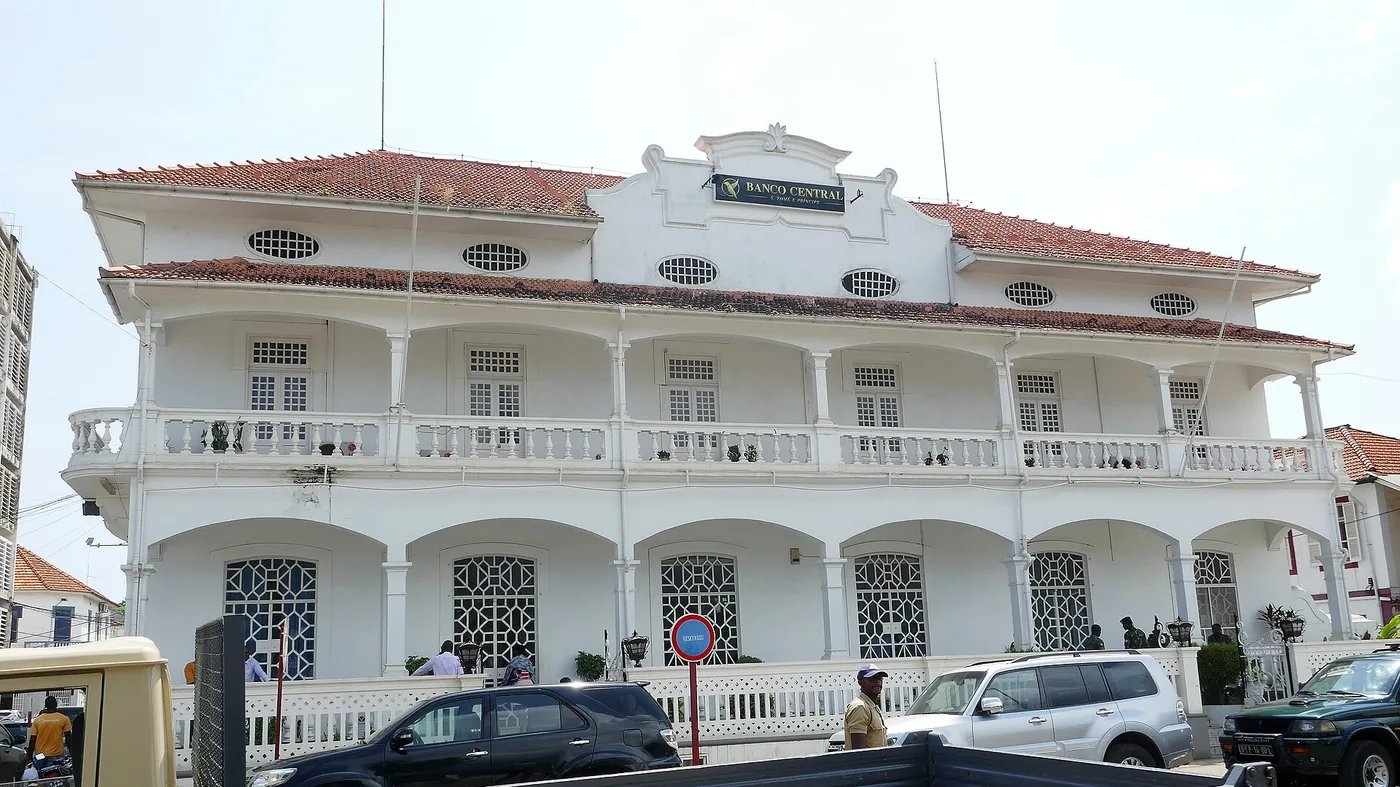
Every donation is paid into the National Transformation Fund, which finances infrastructure and public-sector projects. In the programme's first year the Fund received over USD 9,800,000. This matters to an applicant for two reasons: it is what the donation is actually for, and a programme whose proceeds visibly build something is a programme less likely to be shut down.
The next phase
Energy infrastructure
Continued investment in generation, alongside renewable and sustainable energy.
Water quality and supply
Quality, reliability and availability of water services.
Wastewater systems
Essential infrastructure for wastewater treatment and management.
Waste management
Collection, treatment and management of waste.
Digital public services
Digital infrastructure, equipment and systems across government.
Why it matters to your file
A donation-funded programme with visible delivery and a published report is a more durable programme than one without either. It is also why the Unit can afford to reject files: it is building a long-term revenue line, not chasing a quarter.
Photographs and project detail: Citizenship by Investment Unit, First Year Report, 1 September 2026.
Against the field, at September 2026.
Against other direct citizenship by investment programmes, São Tomé and Príncipe competes on price and speed, not passport strength. The Caribbean five and Türkiye offer much stronger travel documents at two to four times the cost. Nauru is level on price and Vanuatu is the closest peer on profile.
The table compares this programme only against other direct citizenship by investment programmes, the category it belongs to. It deliberately excludes European golden visas and residency routes, which are a different product bought for different reasons and not comparable on a like-for-like basis.
| Programme | From (USD) | Typical processing | Launched | Passport strength |
|---|---|---|---|---|
| São Tomé and Príncipe | 90,000 | 2 months to approval | 2025 | Modest, no Schengen or UK |
| Nauru | 90,000 | 3 months + | 2024 | Modest |
| Vanuatu | 130,000 | 2 months + | 2017 | Reduced, Schengen suspended |
| Dominica | 200,000 | 6 months + | 1993 | Strong, Schengen and UK |
| Antigua and Barbuda | 230,000 | 6 months + | 2013 | Strong, Schengen and UK |
| Grenada | 235,000 | 8 months + | 2013 | Strong, plus US E-2 treaty |
| Saint Lucia | 240,000 | 6 months + | 2015 | Strong, Schengen and UK |
| St Kitts and Nevis | 250,000 | 4 months + | 1984 | Strong, Schengen and UK |
| Türkiye | 400,000 | 8 months + | 2017 | Broad, plus US E-2 treaty |
Read this way the picture is clear. If you want the strongest travel document, the Caribbean five and Türkiye are worth their premium, and Grenada and Türkiye additionally offer US E-2 treaty access that São Tomé and Príncipe cannot. If you want the lowest-cost path to a valid second citizenship, with a Lusophone angle no Caribbean programme can match, this programme leads on price. The comparison is not about which programme is best in the abstract. It is about which delivers the outcome you actually need at the lowest cost.
São Tomé and Príncipe against Vanuatu, the closest peer
Vanuatu is the natural comparison: both are small island states offering fast, remote, donation-based citizenship at the affordable end of the market. The differences are decisive. Vanuatu can be marginally faster, but it costs around USD 130,000 against USD 90,000, offers no bloc access, and lost its EU visa-free travel when the Schengen arrangement was suspended. São Tomé and Príncipe is cheaper and, uniquely, carries the CPLP naturalisation edge toward Portugal and Brazil. Neither passport provides Schengen, UK or US visa-free access or a US E-2 treaty, so if any of those is your priority, both should give way to Grenada or Türkiye.
Nauru is the closer comparison on price, at the same USD 90,000 entry point. The two differ on family scope, mobility and track record, and Nauru has no equivalent of the CPLP.
Minimums are the qualifying contribution or investment only, before government fees, due diligence and professional costs. Figures are the published programme minimums as at September 2026 and move without much notice: verify before relying on any of them. Malta's former individual investor citizenship route ended in 2025 and is excluded.
Is this the cheapest citizenship by investment?
At a USD 90,000 donation it is level with Nauru as the cheapest citizenship by investment programme available, and it is the cheapest with a Lusophone angle. The Caribbean and Türkiye cost two to four times more.
Cost leadership is the clearest claim this programme has. Where most Caribbean programmes now start at USD 200,000 and Türkiye requires a USD 400,000 property purchase, a USD 90,000 donation resets the entry point for a second citizenship. Only Nauru sits in the same bracket, and Nauru offers no comparable bloc access. For a buyer whose objective is simply to hold a valid second nationality, the difference is not marginal: it is roughly half the price of the cheapest strong alternative.
Cheapest does not mean best for every buyer, and it is worth being blunt about the trade. A lower price buys a weaker passport. The right question is not which programme is cheapest in the abstract, but which delivers the outcome you truly need at the lowest cost. For a Lusophone hedge, or a simple valid second nationality held in reserve, this programme is very hard to beat. For maximum travel freedom or US E-2 access, paying more for the Caribbean or Türkiye is the rational choice, and we will tell you so.
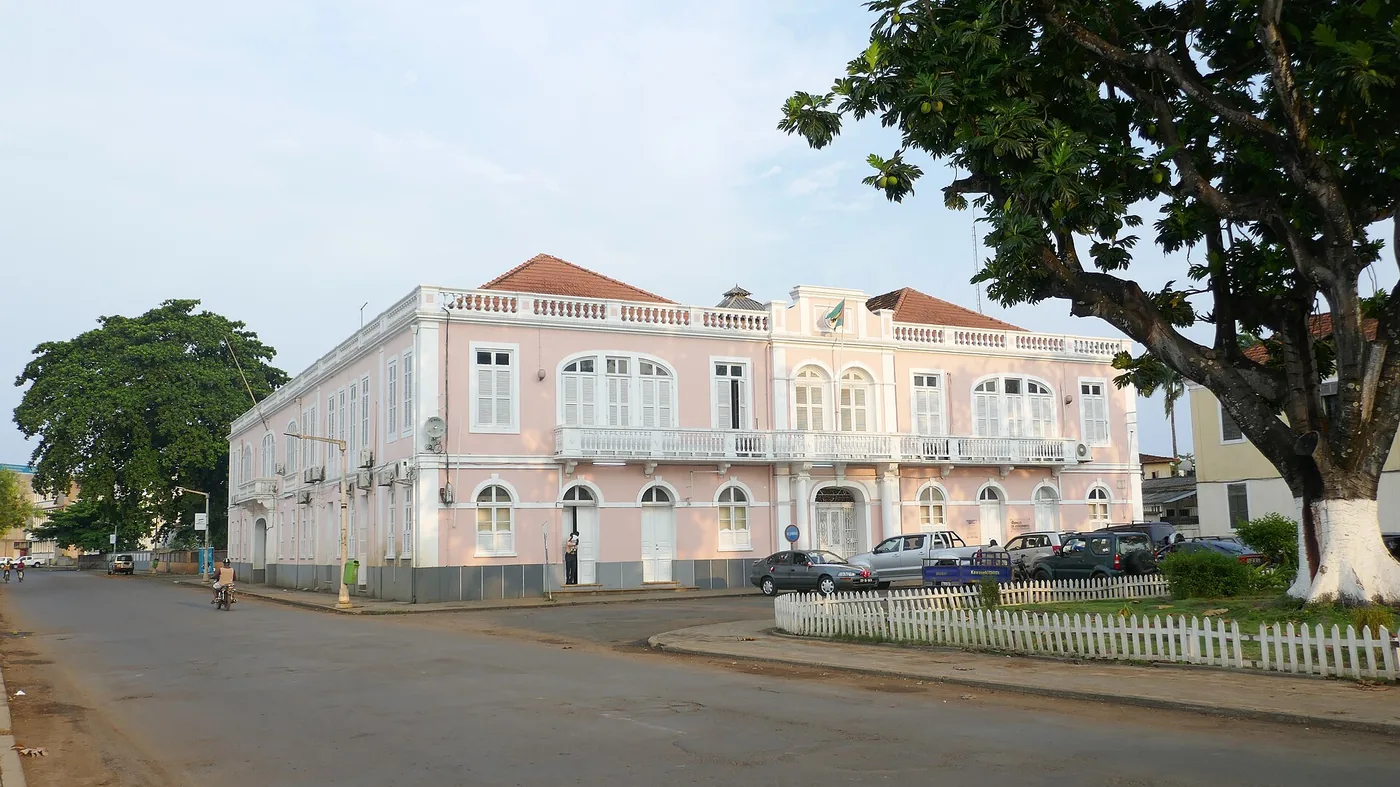
Living in and visiting São Tomé and Príncipe
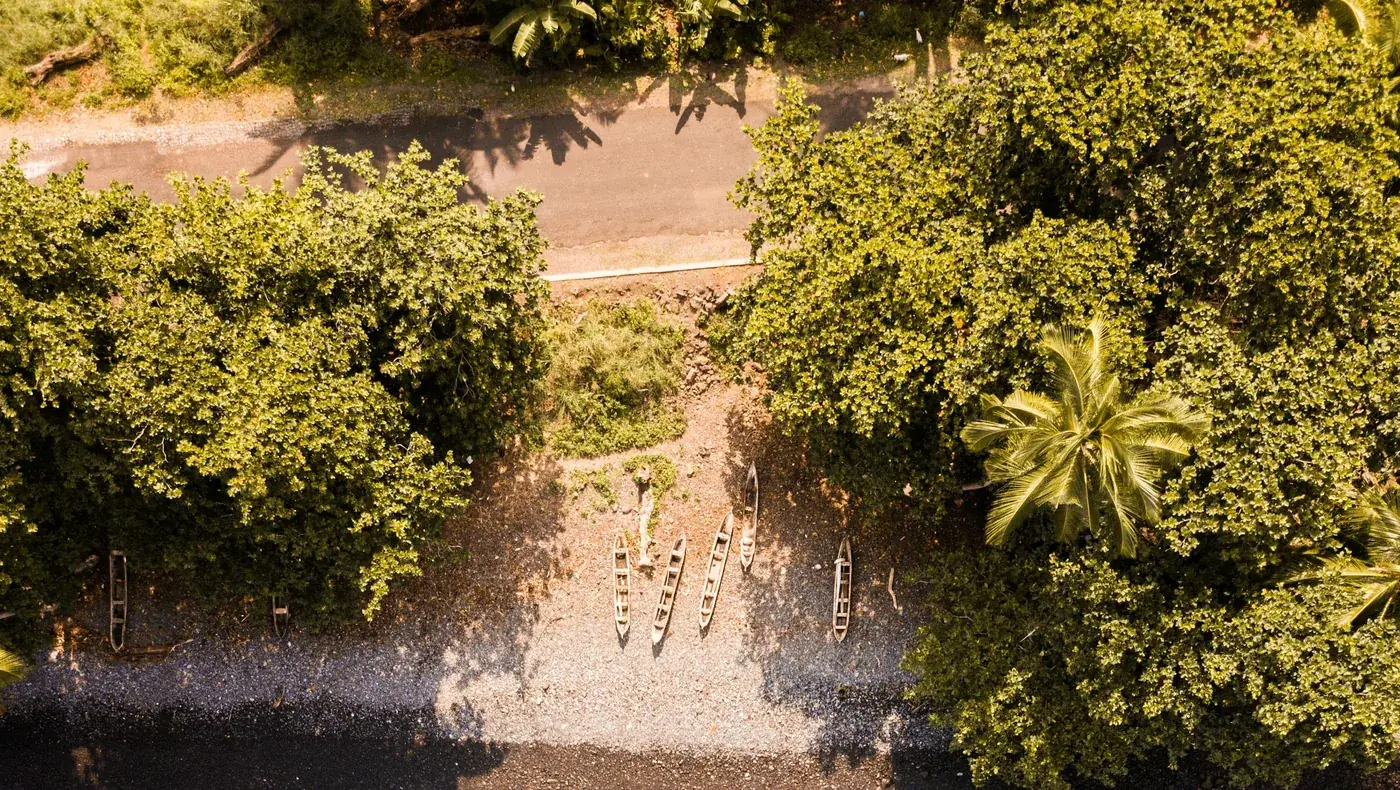
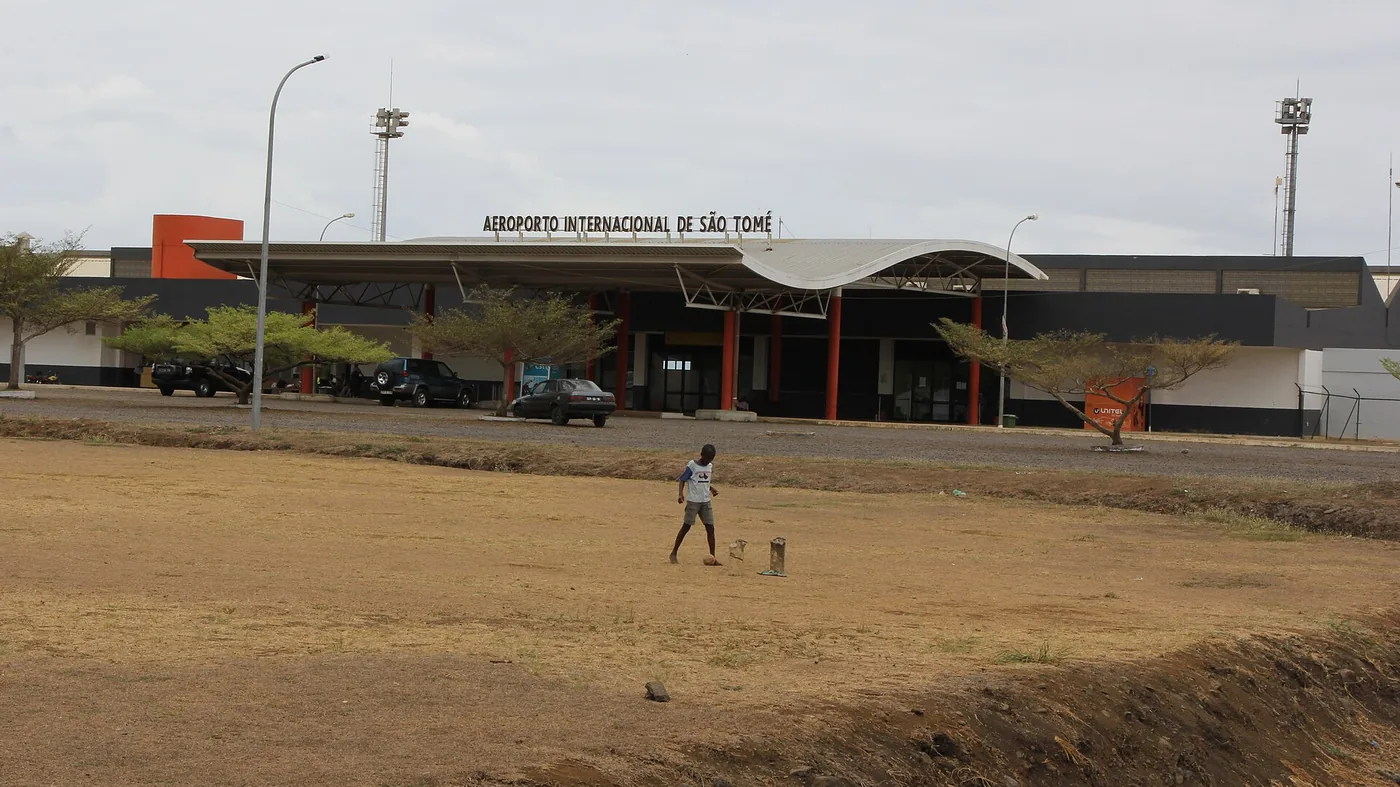
You never have to set foot in the country to hold its citizenship, but the islands themselves are a genuine draw: volcanic, forested and among the least-visited nations on earth, known as the Chocolate Islands for their cocoa heritage.
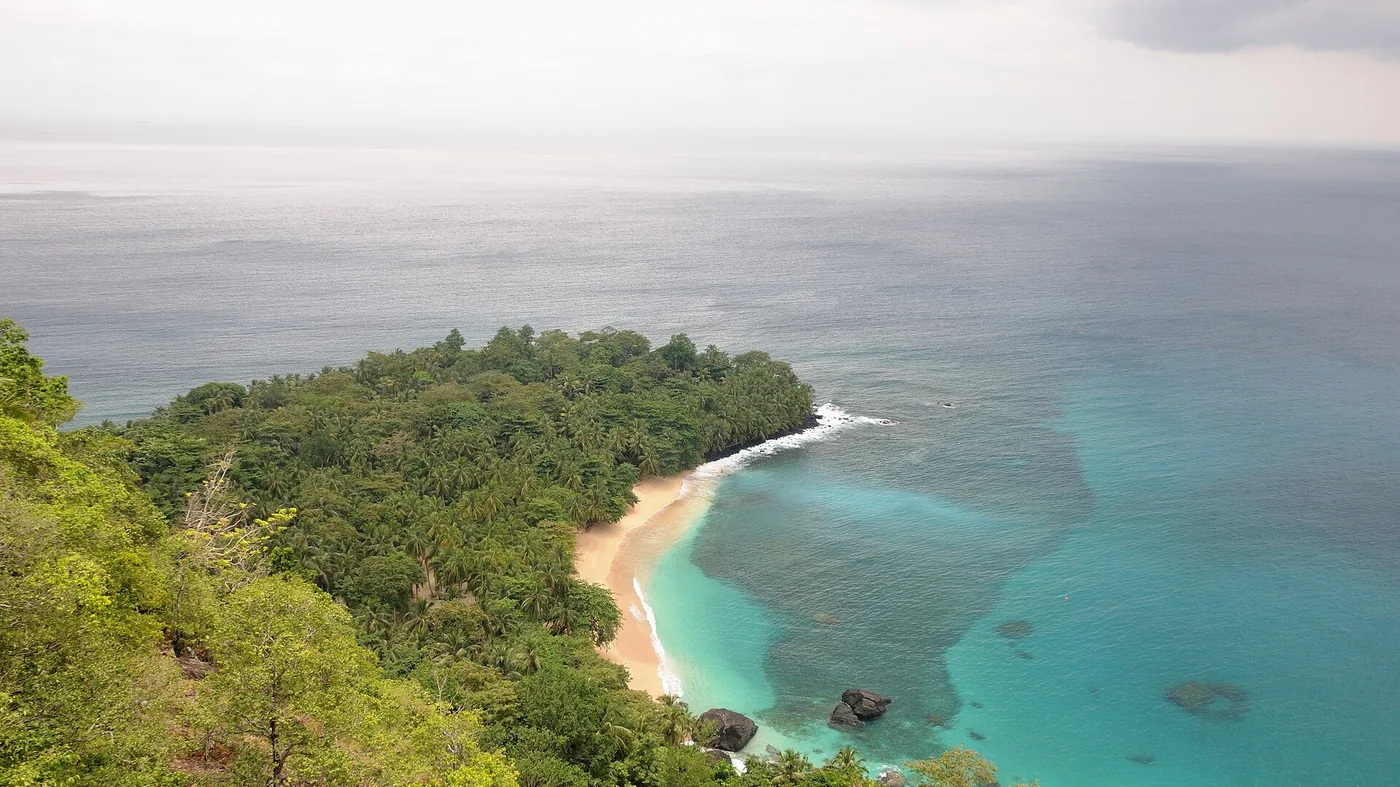
Most people who acquire this citizenship never intend to live there, and that is entirely fine. Still, it is worth knowing the place your passport comes from. São Tomé and Príncipe is a two-island nation in the Gulf of Guinea, straddling the equator, with a dramatic volcanic interior, dense rainforest and a coastline of quiet, dark-sand beaches. Príncipe, the smaller island, is a UNESCO Biosphere Reserve. The islands were once among the world's largest cocoa producers, which is why they are still called the Chocolate Islands, and the old plantation estates, the roças, have in places been restored as hotels that trade on that history.
Practically, Portuguese is the official language, a direct link to the CPLP world and a small head start for anyone contemplating the Portugal or Brazil route. The currency, the dobra, is pegged to the euro. The economy is small and centred on agriculture, fishing and a nascent tourism sector, with real potential in eco-tourism and renewable energy, which are precisely the priorities the National Transformation Fund exists to support. For a visitor, the appeal is exactly its obscurity: this is one of the few places in the Atlantic that has not been shaped by mass tourism.
A Plan B, and a door to places you would actually live in
Few people acquire this citizenship intending to move to the islands, and the value of the programme does not depend on their doing so. The point of a Plan B is optionality, and what makes this one unusual is that the door it opens leads somewhere you might actively want to be. Lisbon and Porto, Rio and São Paulo are the real destinations behind the Lusophone strategy, reached through the CPLP naturalisation routes rather than through the islands themselves.
Held simply as insurance, this is a low-cost, neutral second nationality that sits in a drawer until you need it, requiring nothing of you in the meantime. Used actively, it is the first move in a longer plan that can lead to an EU passport through Portugal or a Mercosur passport through Brazil. Either way, the value is in what it lets you do next, which is why we always start with the destination you truly want and work backwards to whether this is the right first step.
São Tomé citizenship by your nationality
Who this passport suits, and the points to weigh, depends heavily on the citizenship you already hold. Below are the cases we see most often, with the specific issue each nationality should watch.
For US citizens
São Tomé and Príncipe offers little travel upside to an American, whose own passport is far stronger, and it provides no visa-free US access to anyone. Its appeal is as a low-cost hedge or a Lusophone stepping stone rather than a mobility upgrade. Three tax points matter and none is optional. First, US citizens are taxed on worldwide income regardless of any second citizenship, so acquiring this citizenship changes nothing about your US tax obligations. Second, FATCA and FBAR reporting continue to apply to your foreign accounts, and the PFIC rules can bite hard on foreign funds and insurance wrappers acquired along the way. Third, if expatriation is ever contemplated, IRC 877A and the exit tax are the governing provisions and need modelling years ahead, not at the point of renunciation. São Tomé and Príncipe does not tax the worldwide income of non-residents, so simply holding the citizenship creates no São Toméan exposure. Take US cross-border tax advice before acting. This is general information, not tax advice.
For UK citizens
For British citizens the calculus resembles the US case: the home passport is stronger, so the value is strategic rather than about mobility, and the Lusophone angle appeals mainly to those with family, business or lifestyle ties to Portugal or Brazil. The key difference is tax. The UK taxes on residence rather than citizenship, so a UK resident who acquires this citizenship sees no automatic UK tax change. UK residence rules have moved considerably since the abolition of the non-domiciled regime, however, so anyone contemplating a future move should take current advice rather than relying on older guidance.
For EU citizens
An EU national already holds free movement across twenty-seven states and a strong travel document, so there is nothing here on mobility and nothing on the CPLP front they would ever need for Europe. The honest case is narrow: a neutral, low-cost second citizenship held purely as a diversification hedge, or a specific interest in Brazil, where an EU national who relocated could in principle use the Lusophone route, subject to the same untested caveat that applies to everyone. For most EU citizens that is a thin rationale, and we would say so.
The one live technical point is retention of the home nationality. Germany, which produced 28 applications in the programme's first year and was the fourth-largest source, generally required its citizens to obtain a retention permit before acquiring a non-EU citizenship, or risk automatically losing German citizenship. The reform that took effect in 2024 broadly ended that rule and now permits multiple citizenship. Other member states vary widely, and several still restrict it. Confirm your specific position under current national law before you proceed rather than relying on either the old rule or a general summary.
For Canadian citizens
Canada allows dual nationality and taxes on residence rather than citizenship, so a Canadian can hold this citizenship without the citizenship-based tax complications an American faces. The value is the same low-cost hedge and Lusophone option, with fewer home-country frictions while you continue to live in Canada. Anyone who later intends to relocate should plan around Canadian departure-tax rules and keep clean source-of-funds records for the donation.
For Australian citizens
Australia permits dual citizenship and taxes on residence, so holding this citizenship while remaining an Australian resident changes nothing domestically. The pattern of interest we see is Lusophone: Australians with business or family ties to Portugal or Brazil, for whom the seven-year Portuguese track is the actual objective. Australian residence and CGT deemed-disposal rules matter on any eventual departure and should be modelled with local advice.
For UAE residents
Much of the programme's demand routes through Dubai, where the Unit maintains an office, and it is a natural fit for the Emirates' large expatriate community. Most people living in Dubai or Abu Dhabi hold a residency visa tied to employment or a company rather than Emirati citizenship, which is rarely granted, so this programme fills a real gap: an affordable additional nationality and a Lusophone bridge that does not disturb the tax-efficient position that drew them to the UAE in the first place. Prepare source-of-funds evidence for capital moved through the UAE early, as it is reviewed closely.
For Brazilian citizens
Brazilians occupy an unusual position, because they are already CPLP nationals and already enjoy the Lusophone ties to Portugal that others buy this citizenship to obtain. For a Brazilian, then, the programme is rarely about the CPLP angle and more about holding an additional, neutral second citizenship, or diversifying away from a single passport. The routes and thresholds are the same as for any applicant, and Brazilian rules on foreign holdings and reporting should be factored into how the donation is structured.
For Nigerian citizens
São Tomé and Príncipe is a close neighbour in the Gulf of Guinea, and for Nigerian applicants it offers a fast, affordable route to a second citizenship that can ease some travel friction and provide a genuine hedge. As with all applicants, expect thorough source-of-funds due diligence and build in extra time for documentation and certification. Treat the Lusophone naturalisation routes as longer-term projects that require relocation rather than immediate benefits of the passport.
For Indian nationals
India does not permit dual citizenship, and that is the decisive point. Acquiring another citizenship generally means renouncing Indian citizenship, with significant and often costly consequences, and OCI status is a separate matter that does not change this. Any Indian citizen considering this programme must take specialist advice on the implications under Indian law before proceeding. We flag this prominently rather than gloss over it, because it is the kind of detail that turns an exciting plan into an expensive mistake.
Who is actually investing in this programme?
The Unit's first-year report shows China, Russia and Iran as the three largest sources, together 60% of applications, with Germany fourth and ten stateless applicants accepted. In our own pipeline, demand clusters among UAE-based expatriates, holders of higher-friction passports, price-sensitive buyers and families building a Lusophone strategy.
Unusually for a young programme, there is now a public record. Seventy-two nationalities filed in year one. China led with 159 applications, Russia followed with 122 and Iran with 50, together just over 60% of the total. Germany was fourth with 28, which is worth pausing on: an EU citizen with full free movement chose to apply anyway, which tells you something about the diversification case that pure mobility analysis misses.
What we see in our own practice adds a layer the report cannot. A large share of interest comes through Dubai, reflecting both the Unit's presence there and the Gulf's enormous expatriate population, many of whom hold residency rather than citizenship and want a durable second nationality. Alongside them are holders of higher-friction passports, for whom a neutral, non-aligned document has value beyond any visa-free count. The second cluster is strategic rather than geographic: price-sensitive buyers who have priced the Caribbean and concluded that, for a pure hedge, they do not need a USD 200,000 passport, and families for whom the CPLP naturalisation routes are the entire point. That second group tends to arrive already knowing they want Portugal or Brazil, and they treat this citizenship as the efficient first step.
Is São Tomé and Príncipe citizenship worth it?
It is worth it if your goal is a low-cost, fast, remote second citizenship, especially as a Lusophone hedge toward Portugal or Brazil. It is not worth it if you are buying primarily for visa-free travel, where the Caribbean or Türkiye deliver far more per dollar.
Value depends entirely on fit, so it helps to name the buyers the programme suits and the buyers it does not. It rewards a specific investor:
- A family already contemplating a move to Lisbon or Porto, who can treat USD 95,750 as the first step onto Portugal's seven-year track.
- A buyer who wants a valid, permanent, heritable second nationality at the lowest price available anywhere.
- A UAE-based professional holding a higher-friction passport who wants a neutral document in reserve.
- A family with qualifying dependents, where the ladder makes four people barely more expensive than one.
- Anyone who needs the process to be genuinely remote, with no travel and no interview.
- An applicant with a clean but unusual profile that a Caribbean unit would reject on nationality alone.
By contrast, a frequent traveller whose main aim is Schengen or US access should be told plainly that this passport does not deliver it, and pointed to Grenada or Türkiye instead. An Indian national should be steered to advice on renunciation before anything else. A same-sex couple cannot apply together and should be told so at the first call. Matching the tool to the goal is where the value, or the disappointment, is decided.
"Separate the two questions. Do you want the cheapest valid second citizenship, or do you want mobility? If it is the first, São Tomé and Príncipe is tough to beat. If it is the second, we will send you elsewhere and mean it."
São Tomé and Príncipe at a glance
| Metric | Detail |
|---|---|
| Population | Around 240,000 |
| Location | Gulf of Guinea, off Central Africa |
| Official language | Portuguese |
| Currency | Dobra, pegged to the euro |
| Bloc membership | CPLP, African Union |
| Programme launch | 2025, under Decree-Law No. 07/2025 |
| Minimum donation | USD 90,000, single applicant |
| Total to government | USD 95,750 single, USD 103,000 family of four |
| Average to approval | 2 months, fastest recorded 26 days |
| Average to passport | 4 months |
| Visa-free or visa-on-arrival | Around 56 destinations, more than 90 including e-Visa |
| Residency requirement | None, before or after |
| Dual citizenship | Permitted |
| First-year applications | 548 submitted, 350 approved, 12 rejected |
The figures worth holding onto are the ones that define the trade: a USD 90,000 entry, approval in two months and a passport at four, a bloc of nine CPLP states behind it, and a passport in the lower-middle tier for travel. Everything else on this page is an elaboration of that trade. Population figures are approximate; programme figures are stated against the Unit's first-year report and should be reconfirmed at the point you apply.
A licensed agent, and the certificate to show it.
Applications under this programme can only be filed by an agent licensed by the Citizenship by Investment Unit. Lincoln Global Partners FZCO holds Licence No. STP-2025-8, issued under Decree-Law No. 07/2025 and signed by the Unit's Chief Executive. Below is the certificate itself.
That licence carries obligations, and they shape how we work. We are required to pre-screen every applicant for criminal record, financial integrity, money laundering and terrorist financing risk before a file reaches the Unit, and to submit only files we believe should succeed. We are prohibited from discounting the government-set donation. Misleading or aggressive promotion is grounds for suspension of the licence.
Those constraints are the reason this page reads the way it does.
Speak to the desk →Choosing a licensed agent
Applications must be filed through licensed agents, so the firm you choose shapes both your experience and your outcome. Look for transparent pricing, direct experience of this specific programme, candour about the passport's limits, and country-specific legal input for any Lusophone strategy.
Because applications must be filed through a licensed agent, the firm you engage is not an optional extra but part of the mechanism. A capable adviser does far more than submit forms. They pressure-test whether the programme fits your goals at all, assemble a clean source-of-funds file to the standard the screening expects, manage the due diligence stage, and set honest expectations on timelines and on the real limits of the Lusophone routes. On a young programme, they also track the operational changes, fees, eligibility and processing that a static guide cannot.
What to look for is straightforward: transparent, all-in pricing rather than a headline donation with fees revealed later; direct experience with this specific programme, not just the Caribbean; candour about the passport's modest mobility; and, for anyone pursuing Portugal or Brazil, coordination with qualified counsel in the destination country. A few things are worth treating as warnings. Be wary of any adviser who presents the Brazil route as guaranteed, who quotes a visa-free count that quietly folds in e-Visas, who claims a six-week passport, or who offers a discount on the donation, which no licensed agent is permitted to do. Verify any adviser against the Unit's own published list of licensed agents.
On that last point we can be concrete about our own standing. Lincoln Global Partners FZCO is a government-authorised Marketing Agent under Licence No. STP-2025-8, so your application is prepared and filed by an authorised agent working directly within the official framework rather than passed to a third party. Our certificate is reproduced above.
Who you would actually be working with
A São Tomé and Príncipe file is prepared and submitted by named people, not a queue. It spans citizenship law, source-of-funds preparation and, for anyone pursuing the Lusophone routes, cross-border tax and residence planning in a second country. We run it with a small senior team, and you work with the same people from the first call through to the passport and beyond, into any Portugal or Brazil strategy that follows.
David Lincoln, IMCM
Founder and Chief ExecutiveLeads the Latin America and Lusophone advisory, with two decades structuring citizenship and residency for private clients. EN, PT, ES.
Peter Lilliott, IMCM
Co-Founder and PartnerProgramme structuring and partner relationships across the firm's desks, with depth in Caribbean citizenship and corporate structuring. EN, FR.
Georgea Rios
Senior Consultant, Europe and MediterraneanPortuguese and Mediterranean routes, including CPLP questions, and coordination of documentation, banking and renewals on every file.
Matias Aguayo
Consultant, Latin AmericaGolden visa and residency routes across the Southern Cone, with due diligence handled end to end. EN, PT, ES.
Roles as at September 2026. Every São Tomé and Príncipe application is submitted under Licence No. STP-2025-8.
Asked and answered.
What is the São Tomé and Príncipe citizenship by investment programme?
A direct citizenship programme, established under Decree-Law No. 07/2025 and open since 2025, that grants full citizenship in exchange for a non-refundable donation to the National Transformation Fund. It is fully remote, with no residency, visit, interview or language requirement, and applications must be filed by a licensed Marketing Agent.
What is the total cost for a single applicant?
USD 95,750 to government: a USD 90,000 donation, a USD 5,000 submission fee, and USD 750 in citizenship document fees covering the certificate, passport and national identity card. Professional and third-party costs are additional and are quoted separately.
What does it cost for a family?
USD 101,500 for a couple, USD 102,250 for a family of three and USD 103,000 for a family of four. The donation is USD 95,000 for a principal applicant with up to three dependents, and USD 100,000 for a family of five. Each additional qualifying dependent adds USD 5,000, plus USD 750 of document fees per person.
When do I have to pay the donation?
Only after the Unit issues approval in principle. It then falls due within 90 days, extendable once by a further 90 days on request. Instalments are not available, and nothing beyond the submission fee is payable before approval.
Is my donation returned?
No. The National Transformation Fund contribution is a donation, not an investment, so it is non-refundable and there is no capital return. It is best understood as the fixed price of the citizenship rather than a recoverable outlay.
Is the programme legitimate?
Yes. It is a lawful programme established by national decree, Decree-Law No. 07/2025, administered by a Citizenship by Investment Unit that published a full audited-style first-year report in September 2026, and delivered through licensed agents with due diligence screening. It is newer than the Caribbean programmes, so work only with licensed agents and expect thorough source-of-funds checks.
How new is the programme, and is it recognised?
It was formalised in 2025 and is one of the newest citizenship by investment routes. That newness means a shorter track record on processing and banking acceptance than an established programme, and terms can still move: the law was already amended in January 2026 to permit fully remote document issuance. The core terms are real and current, but confirm operational details at the point you apply.
How long until I actually hold the passport?
Plan on four months. That is the average the Unit reported for its first year. Approval typically arrives at two months, and the fastest approval recorded was 26 days. Pages quoting six weeks to citizenship are not using the Unit's own data, and document issuance has lagged approvals while the Unit expands capacity.
Can I include my parents and adult children?
Yes. Children up to and including age 30 qualify, and those aged 18 to 30 must be unmarried and financially dependent on you, supported by an affidavit. Parents, grandparents and parents-in-law qualify from age 55.
Can I add family members after I receive citizenship?
Yes, once the certificate of registration has been issued. A spouse costs USD 10,000, other qualifying dependents USD 5,000 each, plus a single USD 5,000 submission fee per request and USD 750 in document fees per person. Adding someone before approval in principle attracts no second submission fee.
Do I have to visit São Tomé and Príncipe?
No. Not to apply, not during the process, and not afterwards. There is no interview and no language or history test, the identity card and passport can be issued fully remotely following a January 2026 amendment, and passport renewal can also be handled remotely.
Which nationalities cannot apply?
Only North Korean citizens by nationality; since the memorandum of 10 April 2026, applicants who already hold three or more foreign nationalities are also suspended. Stateless persons are eligible and ten stateless applicants were accepted in the programme's first year. Applicants previously rejected by a Caribbean programme may apply, though the rejection and its reasons must be disclosed and will be examined during due diligence.
Can the source of funds be cryptocurrency?
Yes, provided the origin of the funds is properly documented and traceable, which in practice means acquisition history, exchange records and evidence of conversion. The payment itself must be made in US dollars.
Can someone else pay for my application?
Yes. A benefactor can sponsor an application, subject to a further USD 5,000 due diligence fee and full documentation of the sponsor's own source of funds.
How strong is the São Tomé and Príncipe passport?
Around 56 destinations visa-free or visa-on-arrival, rising to more than 90 once e-Visa access is included, with notable destinations including South Africa, Singapore and Hong Kong. It does not give visa-free access to the Schengen Area, the United Kingdom, the United States or Canada, and there is no US E-2 treaty.
Does São Tomé and Príncipe allow dual citizenship?
Yes, so most applicants keep their existing nationality. Check your own country's rules, however: some nations, India among them, do not permit dual citizenship, which can make this programme unsuitable.
Will my citizenship be made public?
No. The names of those who acquire citizenship through the programme are not published, and the passport issued is the ordinary São Toméan passport rather than a separate investor series.
Will I owe São Tomé and Príncipe tax on my worldwide income?
No. Simply holding the citizenship does not make you a São Toméan tax resident, and the country does not tax non-residents on foreign income, capital gains or inheritance. Your tax position continues to follow the rules of the jurisdictions you are actually connected to. Take cross-border tax advice for your specific situation.
Is it a good option for US citizens?
It offers a US citizen little mobility upside and no US visa-free access, so its value is a low-cost hedge or a Lusophone stepping stone. US citizens remain taxed on worldwide income and subject to FATCA and FBAR regardless of any second citizenship, the PFIC rules can apply to foreign holdings, and IRC 877A governs any eventual expatriation. Take US tax advice first.
Does this give me residence rights in Portugal or Brazil?
No. CPLP membership brings simplified visa and residence procedures in some member states, not a right of residence and not free movement. Portuguese nationality law has been under active reform and should be checked with current Portuguese advice before you rely on any pathway through it.
Does São Tomé and Príncipe citizenship really lead to Portuguese or Brazilian citizenship?
It gives a preferential path, not an automatic result. As a CPLP national you sit on Portugal's seven-year naturalisation track under Lei Orgânica 1/2026 rather than the standard ten, and potentially on Brazil's one-year route, but each still requires genuine residence in that country and satisfaction of its language, civics and good-standing conditions. The Brazil route has not been tested for citizens by investment. Take country-specific legal advice.
Does the citizenship pass to my children?
Yes. Citizenship acquired under the Citizenship Act passes to future generations. Children born during the application process can be added before approval.
Can the citizenship be revoked, or is it permanent?
Citizenship is permanent and heritable once granted, and renewing the passport at the end of its validity term is a routine administrative matter rather than a re-qualification. As in most countries, citizenship obtained by fraud or serious misrepresentation could in principle be challenged, which is why an honest, well-documented application matters.
What happens if my application is refused?
The submission fee is not returned. The donation has not yet been paid at that stage, so the financial exposure is limited. Our pre-screening exists to identify problems before a file is submitted rather than after, and the rejection rate reported for the programme's first year was 3.3%, twelve rejections against 362 decided files.
Can I apply directly to the Citizenship by Investment Unit?
No. Every application must be filed by a licensed Marketing Agent. The Unit publishes the list of licensed agents on its own website, and you should check any adviser against it before engaging them.
How does it compare to Caribbean programmes?
It is roughly half the price of the cheapest Caribbean programmes but has a weaker passport with no Schengen or UK visa-free access. The Caribbean wins on travel strength and track record; São Tomé and Príncipe wins on price, family scope, nationality breadth and its Lusophone naturalisation angle toward Portugal and Brazil.
Sources
- São Tomé and Príncipe Citizenship by Investment Unit, First Year Report, 1 September 2026.
- Decree-Law No. 07/2025, Democratic Republic of São Tomé and Príncipe, and the January 2026 amendment permitting remote issuance.
- Marketing Agent Licence No. STP-2025-8 issued to Lincoln Global Partners FZCO.
- Lei Orgânica 1/2026, Portuguese Nationality Law, in force 19 May 2026.
- CPLP Mobility Agreement, 2021, and the Constitution of the Federative Republic of Brazil.
- Published programme minimums of comparator jurisdictions as at September 2026.
This guide is general information about a government programme and is not legal, tax or investment advice. Programme rules, fees and processing times are set by the Government of São Tomé and Príncipe and may change without notice. The Brazil naturalisation route described has not been tested for citizens by investment and is not guaranteed. Figures were correct on the date of last update.