


























What direct citizenship by investment actually means
Capital in, passport out. No residency step, no waiting period, no ordinary naturalization clock. The investment itself is the qualifying act.
A qualifying investment and a background check lead straight to citizenship. No years of physical presence, no intervening residence permit, no separate naturalization application years later.
That's a meaningfully harder thing for a government to legislate than a residency programme. It requires amending nationality law itself, not just immigration regulation. Which is exactly why, despite Latin America running more residency-by-investment programmes than almost any other region on earth, only two governments have ever actually built a direct citizenship-by-investment route. A third is now attempting it at a scale the global industry has never seen.
Where things stand today
Active Programmes
El Salvador: the region's first modern, still-active programme
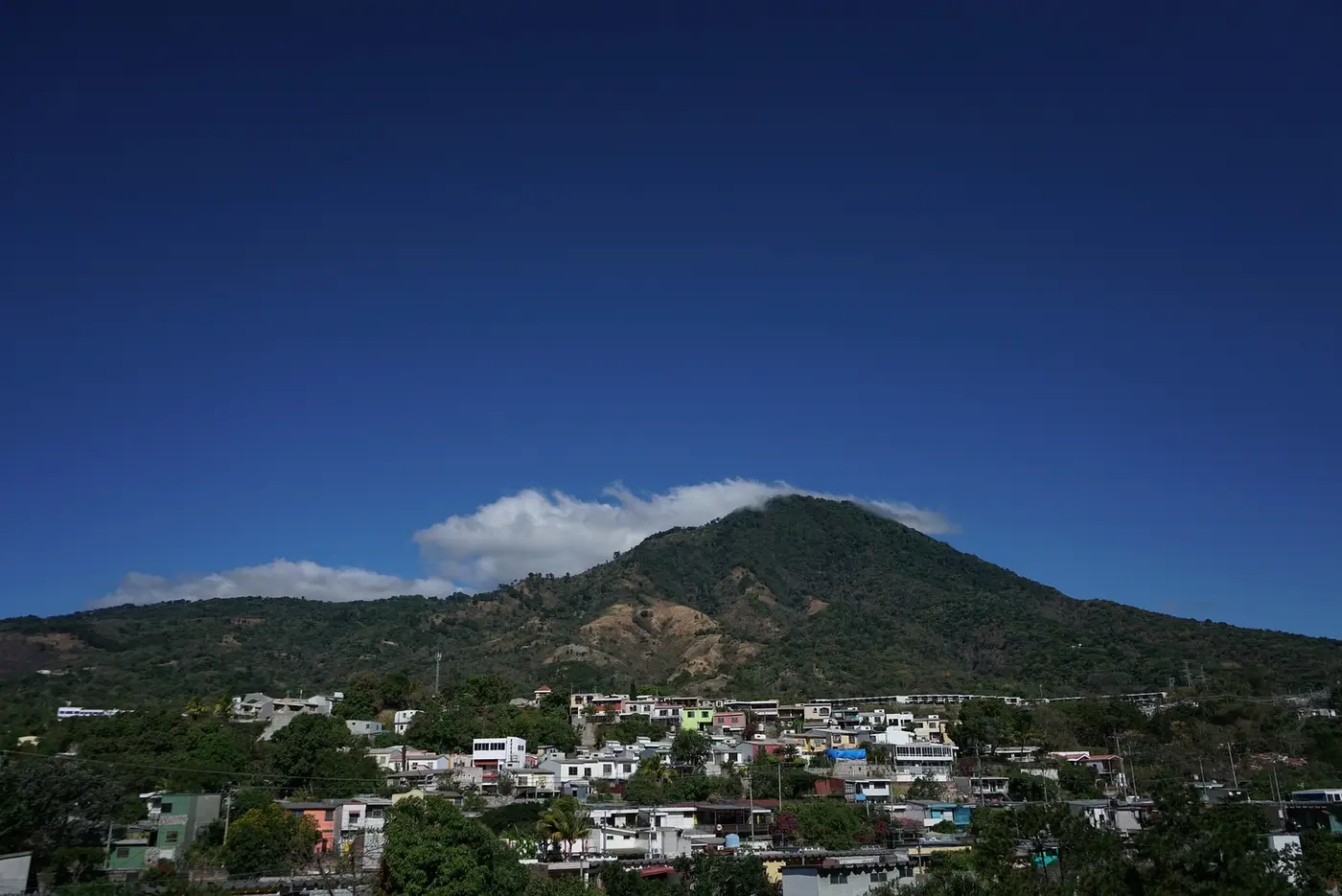
President Nayib Bukele's government passed a law in December 2023 allowing foreign nationals to obtain Salvadoran citizenship through a USD 1,000,000 contribution in Bitcoin or USDT. It's the world's first crypto-native citizenship-by-investment programme, capped at 1,000 approvals per year.
- Investment: USD 1,000,000 in BTC or USDT, non-refundable, plus a USD 999 processing deposit
- No minimum stay, no language requirement, no business plan
- Citizenship and passport typically issued within 4 to 8 weeks of approval
 View Programme →
Argentina: the industry's most closely watched programme
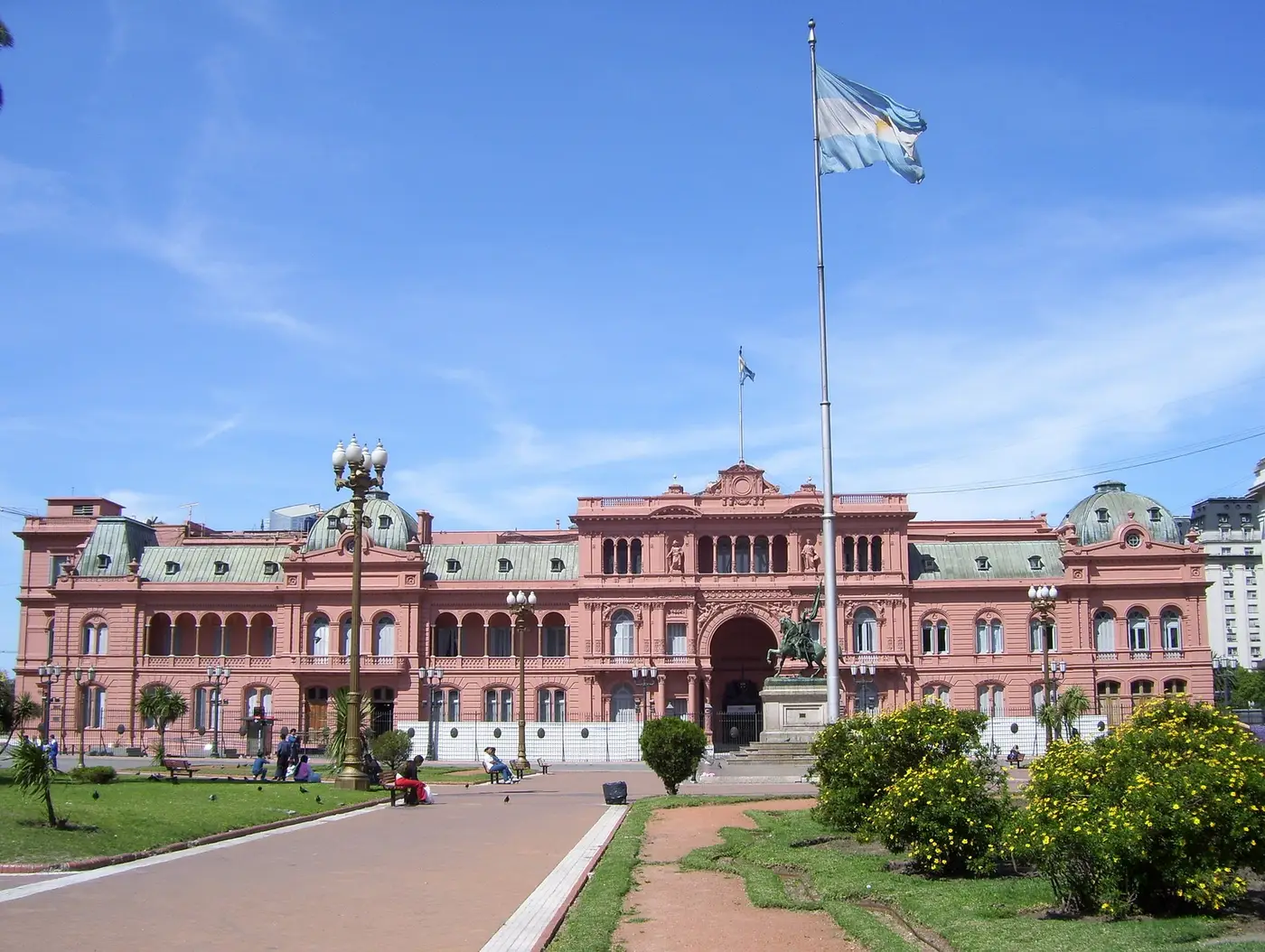
Formalised under Decree 524/2025 and amended by Decree 366/2025, Argentina's forthcoming citizenship-by-investment programme is designed to skip the residency step entirely, offering direct citizenship for a "relevant investment," reportedly USD 500,000 into the productive economy, or USD 1,000,000 in government bonds. A dedicated agency has been established under the Ministry of Economy to run it. A mid-October 2026 launch has circulated in industry channels, though as of this writing implementation has reportedly been paused pending Supreme Court review of the decree that would allow citizenship without prior residency, and the original procurement tender was cancelled in favour of a revised approach.
- Two reported routes: roughly USD 500,000 productive investment, or roughly USD 1,000,000 in government bonds
- Visa-free access to roughly 170 countries and Mercosur settlement rights for the resulting passport
- Potential to become the largest and most consequential CBI launch the industry has seen in over a decade, if it clears its legal hurdles on schedule
Thresholds, launch date, and legal durability are all still unconfirmed as of August 2026. We're tracking this closely and will update the moment terms are finalised. Treat any specific date, including October, as a target rather than a confirmed launch.
 View Programme Tracker →
Closed Programmes
Peru: Latin America's first, and one of the world's first
Under President Alberto Fujimori, Peru amended its constitution to let foreign investors bypass the standard residency requirement entirely. Put down USD 25,000, pass a screening interview at a Peruvian consulate, and citizenship followed with no visit to Peru required. It was one of the earliest citizenship-by-investment schemes anywhere in the world.
- Investment: USD 25,000, with the government separately signalling interest in investors bringing USD 100,000+
- Public backlash was swift and severe. Only around a dozen citizenships were ever issued
- Closed within roughly a year of opening, in 1993, after which 30 years passed before Latin America saw another direct programme
No live programme. Peru's citizenship-by-investment scheme has not existed since 1993.
Indirect Citizenship by Investment Programmes in Latin America
Direct CBI is rare in this region, with only two live programmes as covered above. Indirect pathways, where residency today leads to citizenship on a fast clock, are where most of the real opportunity actually sits.
Dominican Republic
A USD 200,000 investor visa grants immediate permanent residency. Law 1683 then allows naturalization after just six months of residency for investors, property owners, and business owners, versus the standard two years for other residents. It may be the fastest legal path from investment to a passport anywhere in the world.
View Programme →Panama
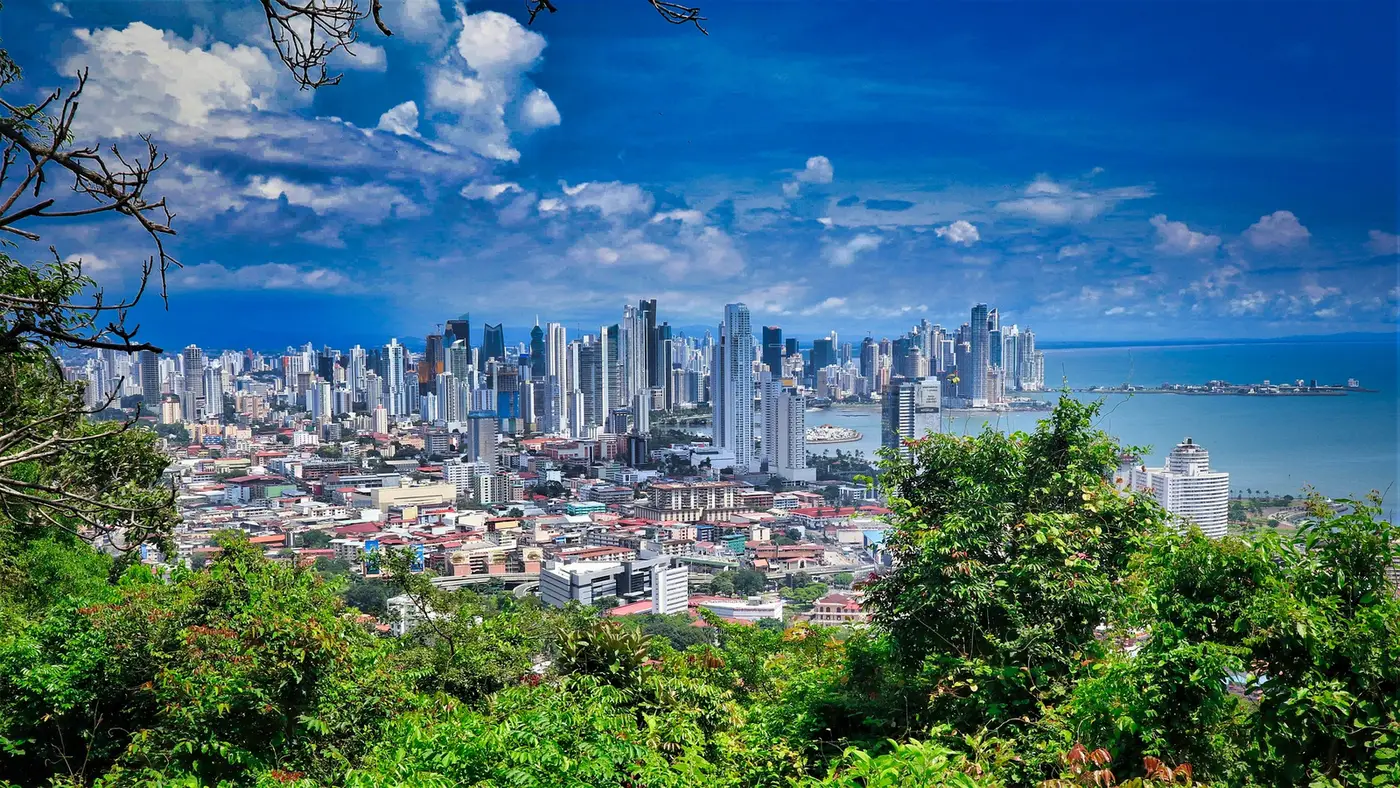
The QIV grants immediate permanent residency for a USD 300,000 real estate investment. Naturalization becomes available after five years as a permanent resident. That's a longer clock than the Dominican Republic, but with one of the lightest physical-presence requirements in the industry: a single visit every two years.
 View Programme →
Rumoured Latin America CBI Programmes
No legislation, no decree, no official confirmation. Just industry chatter about who might follow Argentina's lead.
Chile
Industry sources have floated Chile as a country considering a citizenship-by-investment framework of its own. No legislation, decree, or official confirmation exists as of this writing. Whether Chile or any other government follows will likely hinge on how cleanly Argentina's programme clears its legal and operational hurdles.
No live programme yetWhy Latin American citizenship is so attractive
Setting aside any single programme's price tag, the region's passports are earning their reputation on merit, not marketing.
An EU-style bloc, minus the price of entry
Citizenship in a Mercosur member (Argentina, Brazil, Paraguay, or Uruguay) carries automatic settlement and working rights across the other member states, with associate members Bolivia, Chile, Colombia, Ecuador, and Peru extending the same courtesy in practice.
Passports that compete with Europe outright
Chile sits inside the world's top 15 passports outright. Argentina and Brazil aren't far behind. This is a region producing passports that hold their own on paper, not just on price.
A seat outside the world's fault lines
Latin America carries little of the geopolitical baggage attached to CBI programmes in other regions. That neutrality is itself a form of insurance for clients diversifying against instability elsewhere.
A passport that doesn't own your calendar
From Panama's once-every-two-years visit to El Salvador's total absence of a stay requirement, several of these programmes ask for less of an investor's actual time than almost anywhere else in the industry.
Priced above the Caribbean, not below it
El Salvador's USD 1,000,000 threshold and Argentina's reported USD 500,000 to 1,000,000 range sit well above typical Caribbean CBI pricing of roughly USD 200,000 to 250,000. That's a deliberate positioning choice: fewer approvals, less commoditization, and a passport that hasn't been diluted by decades of high-volume issuance.
Investment that does something, not a fee
Where a Caribbean CBI cheque often funds a government budget, most Latin American routes require an actual asset, business, or contribution to the productive economy. Clients own something real, not just a certificate.
The Lincoln LatAm Passport Index
Every major Latin American passport, ranked by global mobility, with its route to citizenship colour-coded by type.
| Passport | Visa-Free Access | Route to Citizenship | Time to Citizenship |
|---|---|---|---|
| Chile | ~175 destinations | No investment route | 5 years, standard naturalization only |
| Argentina | ~168 destinations | Direct CBI (pending) | Immediate on investment, once live; 2 years via standard residency today |
| Brazil | ~168 destinations | Indirect, via VITEM IX | ~4 years |
| Mexico | ~157 destinations | No investment route | 5 years, standard naturalization only |
| Uruguay | ~156 destinations | No investment route | 3 to 5 years, standard naturalization only |
| Costa Rica | ~148 destinations | Indirect, via Inversionista | ~7 years |
| Panama | ~148 destinations | Indirect, via QIV | ~5 years |
| Paraguay | ~145 destinations | Indirect, via Investor Pass | ~3 years |
| Peru | ~141 destinations | Direct CBI (closed since 1993) | Not currently available |
| El Salvador | ~131 destinations | Direct CBI, via Freedom Visa | 4 to 8 weeks |
| Colombia | ~130 destinations | Indirect, via M-visa | ~5 years to Resident status, plus standard naturalization |
| Ecuador | ~93 destinations | Indirect, via Visa de Inversionista | ~3 years |
| Bolivia | ~77 destinations | No investment route | Standard naturalization only |
| Dominican Republic | ~70 destinations | Indirect, via Direct Investment | 6 months |
Visa-free figures are approximate, drawn from the Henley Passport Index and fluctuating slightly with each quarterly update. Citizenship timelines assume standard qualifying conditions are met; individual cases vary.
Argentina is the hinge point for everything that follows
If Argentina's programme launches cleanly and performs well, expect a second wave of Latin American CBI programmes. If it stalls in the courts or underdelivers, expect the region to stay a two-programme market for a while longer. We design around both outcomes.


Last reviewed 12 August 2026.
This guide is general information, not legal, tax or immigration advice. Programme terms are set by the relevant government and can change; confirm any figure with the authority, or with us, before acting on it.