


















The three live programmes
Three passports, side by side
Ranked by mobility among Africa's live citizenship-by-investment routes. Settlement rights are what separate them: two carry bloc membership, one does not.
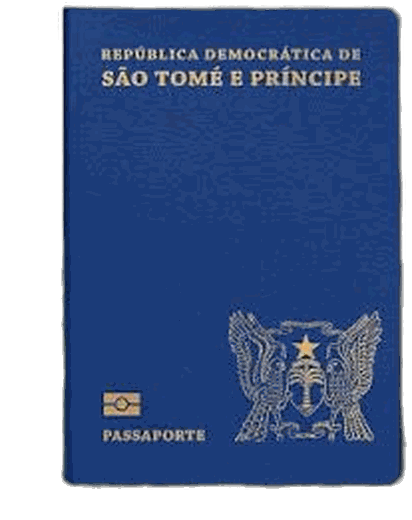
São Tomé and Príncipe
Live · launched August 2025Community of Portuguese Language Countries. Standing across the Lusophone world including Angola, Brazil, Mozambique and Portugal, under the CPLP mobility agreement framework. Not an EU right, but it does shorten naturalisation in Portugal (seven years instead of ten) and Brazil (one year): see CPLP citizenship.
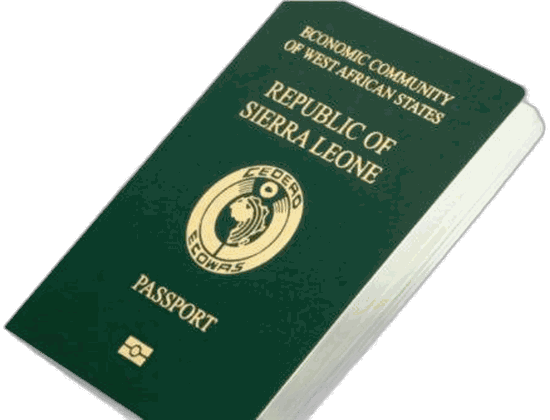
Sierra Leone
Live · launched January 2025Economic Community of West African States. Free movement, residence and establishment rights across fifteen member states, and freehold land ownership that non-citizens cannot hold.
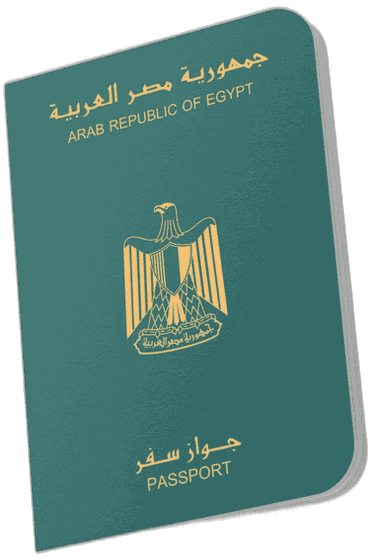
Egypt
Live · launched 2019Arab League and COMESA membership, a BRICS seat and an operating property market, but no automatic right to settle in another state. Egypt is also a US E-2 treaty country.
 Announced, not open
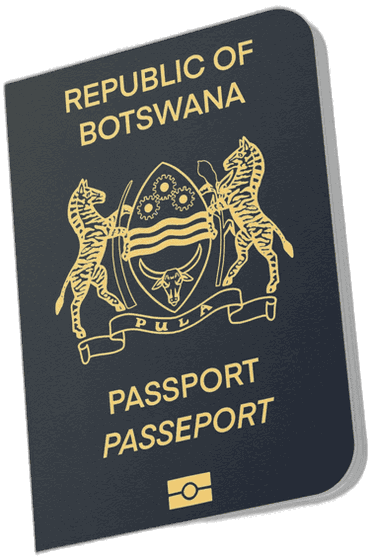
Botswana would undercut all three
An indicative USD 75,000 and roughly 85 visa-free destinations would make it the cheapest and the second strongest on this page. It cannot open until Parliament amends the Citizenship Act to permit dual nationality, and the Q1 2026 launch window has already passed.
USD 75,000Visa-free counts are approximate and move with each quarterly index update. Mobility rank compares only the three live African citizenship-by-investment programmes, not all African passports: Seychelles, Mauritius and South Africa all rank higher and none of them sells citizenship.
Definition
What direct citizenship by investment actually means
Capital in, passport out. No residence permit, no waiting period, no ordinary naturalisation clock. The investment itself is the qualifying act, and three African governments now legislate for it.
A direct programme takes a qualifying investment and a background check straight to citizenship. There is no intervening residence permit, no years of physical presence, and no separate naturalisation application further down the line.
That is a harder thing for a government to build than a residency programme, because it requires amending nationality law itself rather than immigration regulation. Africa did it once in 2019 and then twice more inside nine months in 2025. The result is that the continent went from a single-programme market to a three-programme cluster, and in doing so took the global price floor away from the Pacific and the Caribbean for the first time in three decades.
- Live and accepting applicationsSão Tomé and Príncipe, Sierra Leone, Egypt
- Announced, not yet openBotswana, pending a dual citizenship amendment
- In legislationGhana and Nigeria, no thresholds published
Part one: the live programmes
Where things stand today
Three African countries grant citizenship in exchange for capital: São Tomé and Príncipe from USD 90,000, Sierra Leone from USD 100,000 on the heritage route or USD 140,000 standard, and Egypt from USD 250,000.
 Launched August 2025 · live
São Tomé and Príncipe
From USD 90,000The cheapest passport in the world. A two-island republic in the Gulf of Guinea, Portuguese-speaking, independent since 1975, and now the holder of the lowest entry threshold in open citizenship by investment anywhere. A qualifying contribution goes to the National Transformation Fund, and the Citizenship Investment Unit that processes applications is headquartered in Dubai rather than on the islands.
USD 90,000 for a single applicant, USD 95,000 for a family of up to four, non-refundable, to the National Transformation Fund. Government and due diligence fees sit on top.
Spouse, dependent children and parents. Citizenship is permanent and passes to future generations by descent.
None required before or after approval. No language test, no business plan, no visit.
Member of the CPLP, the community of Portuguese-speaking countries, which includes Angola, Brazil, Mozambique and Portugal.
Marketed at around six weeks. In practice, submissions through 2026 have been running considerably longer.
 Launched January 2025 · live
Sierra Leone
From USD 100,000An ECOWAS passport with the widest family definition in the market. Branded GO-FOR-GOLD, the programme runs a fast-track special naturalisation route alongside a discounted heritage route for applicants who can document African descent, and a separate permanent residency option tied to physical gold. The passport carries free movement rights across the fifteen-member Economic Community of West African States.
From USD 140,000, advertised at 90 days to fast-track citizenship.
From USD 100,000 for applicants who can prove African descent, advertised at 60 days.
From USD 65,000 plus a gold bullion purchase, granting permanent residency rather than citizenship, advertised at 40 days.
The broadest definition currently offered anywhere: spouses, children, parents, grandparents, and on payment of a higher fee adult children, siblings under 30 and their spouses, and last remaining relatives. Multiple legal spouses can be included.
Non-citizens are generally restricted to leasehold. Citizens may hold land outright, which for some clients is the actual point of the exercise.
 Launched 2019 · live
Egypt
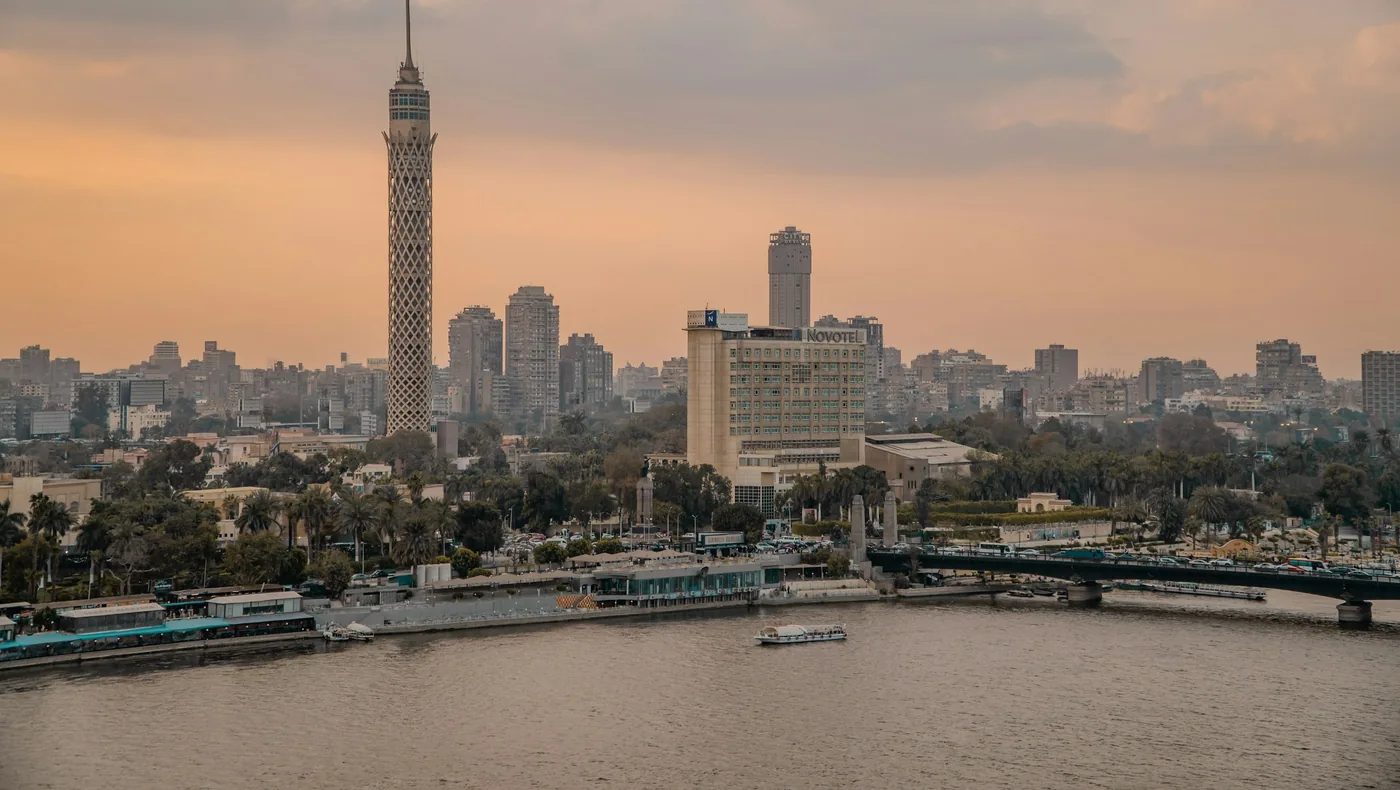
From USD 250,000The continent's established programme, and its only large economy. Egypt legislated citizenship by investment under Law No. 190 of 2019, with the operating framework amended by a 2023 Prime Ministerial decision, and it stood alone in Africa for five years. It is the most expensive of the three and the only one that requires the applicant to physically show up, but it is also the only one attached to an economy of real size, a BRICS seat, and a functioning property market.
USD 350,000 into an Egyptian company, plus a further USD 100,000 non-refundable contribution.
USD 500,000 placed with the Central Bank for three years, returned in Egyptian pounds at the prevailing rate.
A USD 10,000 state fee applies to all routes. Processing typically runs six to twelve months, and at least one visit to Egypt is required.
Spouse and children up to 21. Spousal grants can lag the principal applicant.
 2008 to 2016 · closed
Comoros
HistoricalThe programme that set the compliance bar for everything after it. The Indian Ocean archipelago legislated economic citizenship in 2008, originally as a mechanism to resolve the statelessness of Gulf bidoon populations in exchange for infrastructure funding. It became the most consequential failure in the industry's history.
A parliamentary inquiry counted close to 48,000 passports issued, against an original design that contemplated 4,000 families.
The same inquiry estimated roughly USD 100 million in expected revenue unaccounted for.
Sales were suspended in 2016. In 2022 a former president was convicted and sentenced to life imprisonment over the scheme, alongside other officials and intermediaries.
Part two: announced, not open
Botswana promised the world's cheapest passport, then missed its window
Botswana's Impact Citizenship Programme was announced in September 2025 with a USD 75,000 entry point and an early 2026 launch. As of this writing it is still registration-only. Applications have not opened.
 Announced September 2025 · pending
Botswana
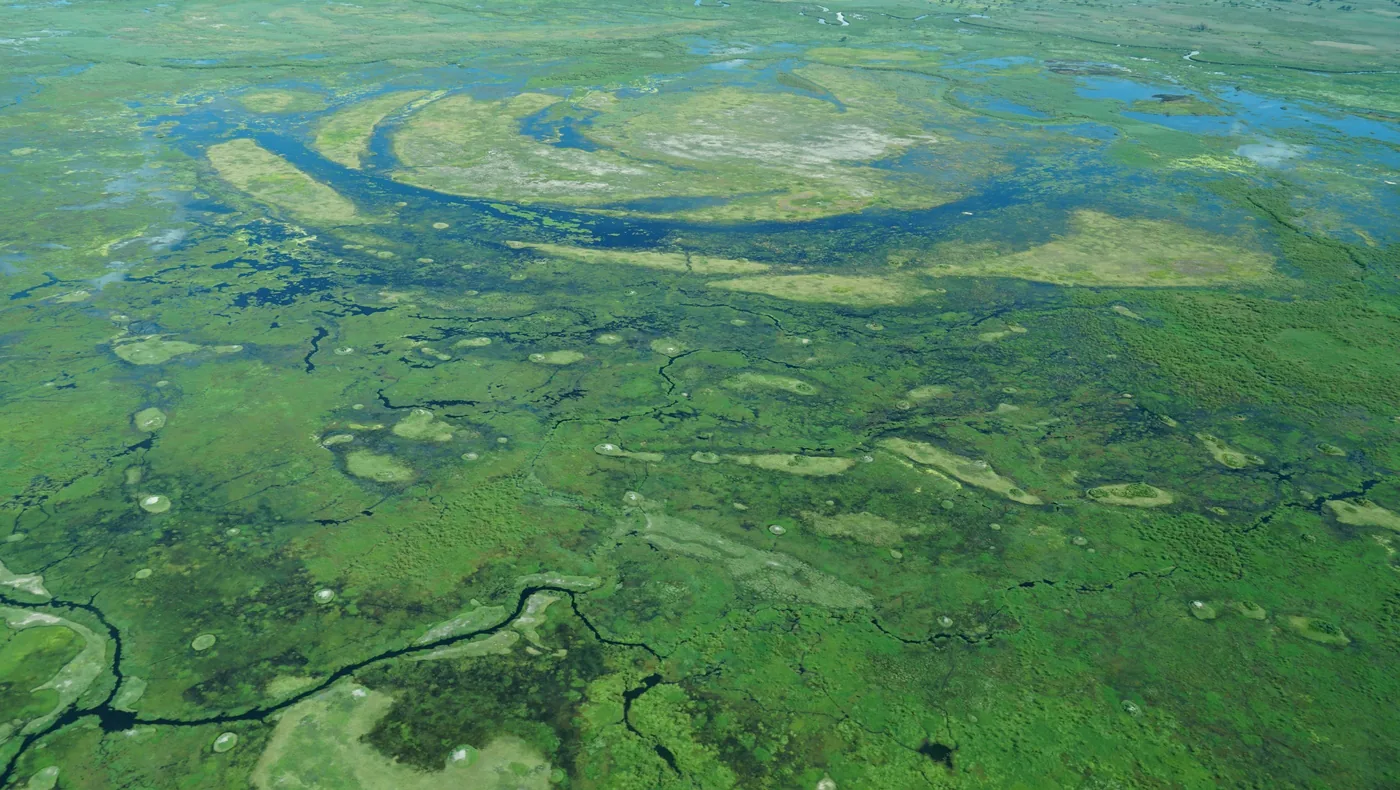
Indicative USD 75,000Strong institutions, unfinished legislation. Botswana signed a memorandum of understanding with a programme developer at the United Nations General Assembly in September 2025, framing citizenship by investment as a way to diversify revenue beyond diamonds. The indicative contribution would undercut São Tomé and take the global price floor with it. The proposition is genuinely attractive: one of Africa's most stable democracies, a strong governance record, and a stated ambition to build the continent's strongest passport through new visa waivers.
USD 75,000 to USD 90,000 for the main applicant, varying with family composition. Fee schedule not published.
Contribution to a government development fund, with a limited quota and a stated 60-day processing target.
Botswana's Citizenship Act restricts most forms of dual nationality. Parliament must pass an amendment before the programme can operate at all.
The Q1 2026 target has passed. The official portal continues to accept pre-registrations only. Regulations and the supervisory authority remain outstanding.
Part three: the indirect route
Residency programmes that eventually lead to an African passport
Mauritius, Namibia, Seychelles, Cabo Verde and South Africa have no citizenship by investment programme, but each offers investor residency that can lead to naturalisation on a clock running from roughly five years to more than ten.
These are slower and, in most cases, more expensive than the direct routes. They exist on this page because for a certain kind of client the destination matters more than the document, and because two of these passports are considerably stronger than anything the direct programmes issue.
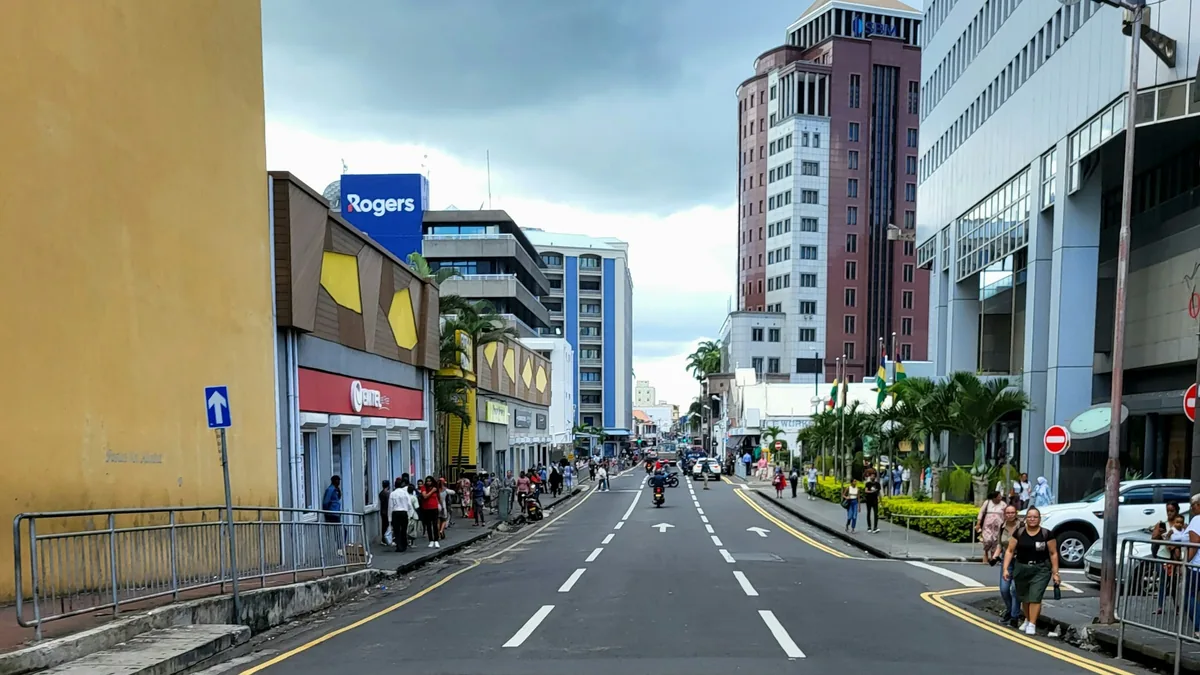
 Mauritius · from around USD 375,000
The Indian Ocean financial centre
Qualifying property under the Property Development Scheme carries residence, with permanent residence available after a qualifying period. Naturalisation is ordinarily available after seven years of residence, reduced to five for Commonwealth nationals, and the Citizenship Act contains a substantially faster provision for investors meeting higher thresholds.
- No capital gains, wealth or inheritance tax
- Dual citizenship permitted
- The strongest passport of any African investor route

 Namibia · from around USD 316,000
Walvis Bay real estate, ten-year clock
Namibia's investor route runs through a single designated luxury development and issues renewable five-year residence permits. Permanent residence and eventually citizenship become possible at around the ten-year mark. There is no physical presence requirement in the interim, and processing runs to roughly three months.
- Tied to one qualifying estate rather than the open market
- SADC base with genuine lifestyle appeal on the coast
- A long clock, so only sensible as a second-decade plan

 South Africa · business and PR routes
No citizenship by investment, but a real route
South Africa does not sell citizenship and has never legislated for it. What it does offer is a business visa carrying a prescribed capital contribution and job creation conditions, which leads to permanent residence and then to naturalisation after a qualifying period of around five years as a permanent resident. It is an immigration route, not a passport purchase, and it is judged on the underlying business.
- Genuine operating business required, not a shell
- Gateway to the largest consumer market in southern Africa
- Processing is the constraint, not the capital
 Seychelles · from around USD 1 million
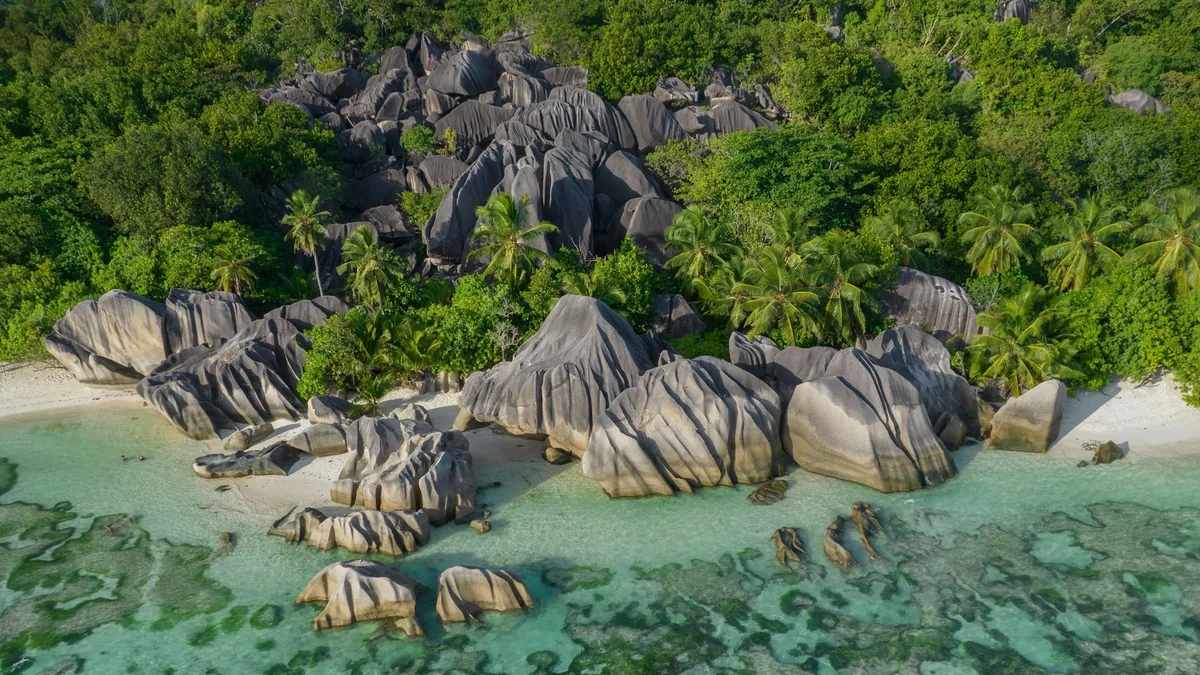
The strongest passport on the continent
The investor route sits at roughly USD 1 million, and naturalisation only becomes available after around eleven years of residence. In exchange you get African mobility that nothing else on this page comes close to matching, which is the trade every client has to weigh: the best document asks for the longest wait.
- Best-in-class African mobility, worst-in-class timeline
- A lifestyle and asset decision with citizenship attached at the far end
- Not a mobility strategy for anyone with a live deadline
 Cabo Verde · from around USD 2 million
Lusophone standing at twenty times the price
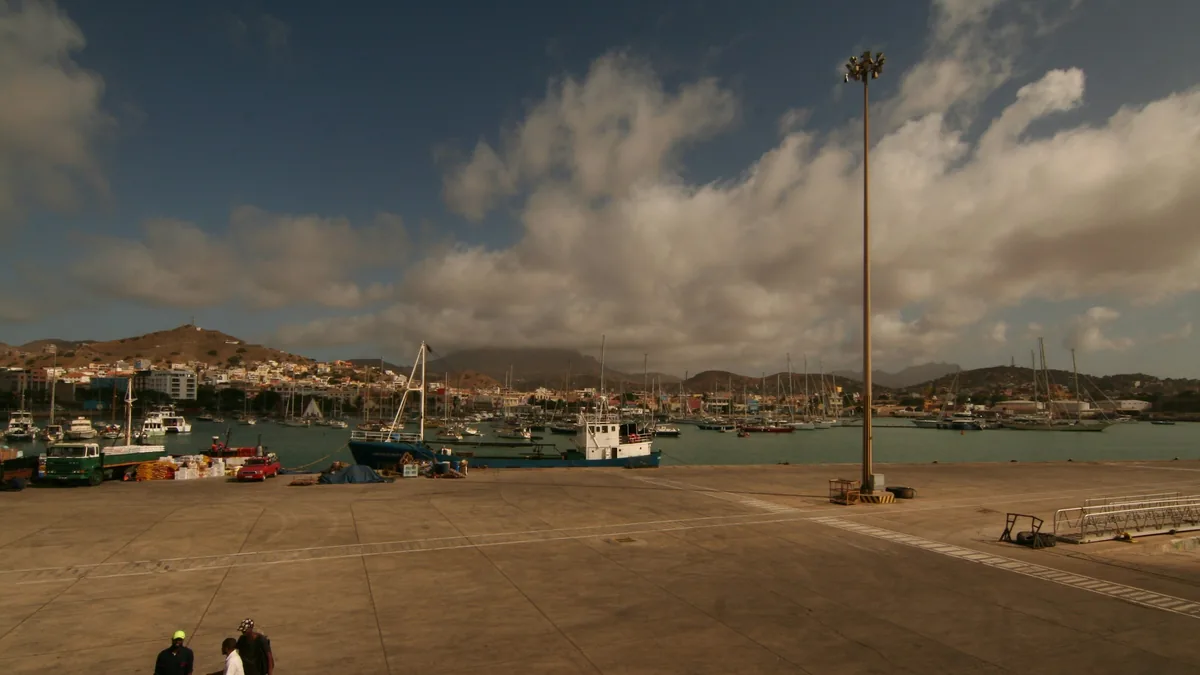
Cabo Verde's investor threshold is the highest on this page at roughly USD 2 million, with residency leading to naturalisation subject to conditions. It is a CPLP member, which means it carries broadly the same Portuguese-speaking standing that São Tomé sells for USD 90,000. What the additional capital buys is a considerably more developed jurisdiction, an Atlantic position within easy reach of both Europe and West Africa, and a stronger passport. Whether that spread is worth it depends entirely on whether you intend to spend time there.
- CPLP membership, as with São Tomé and Príncipe
- Atlantic base between Europe and West Africa
- Judge it as a residence decision, not a passport purchase
Part four: in legislation
Two more parliaments have started the work
Ghana and Nigeria have both taken concrete legislative steps toward citizenship by investment. Neither has a programme, a threshold, or a timetable.
 Ghana · one clause, no detail
A single line in an investment bill
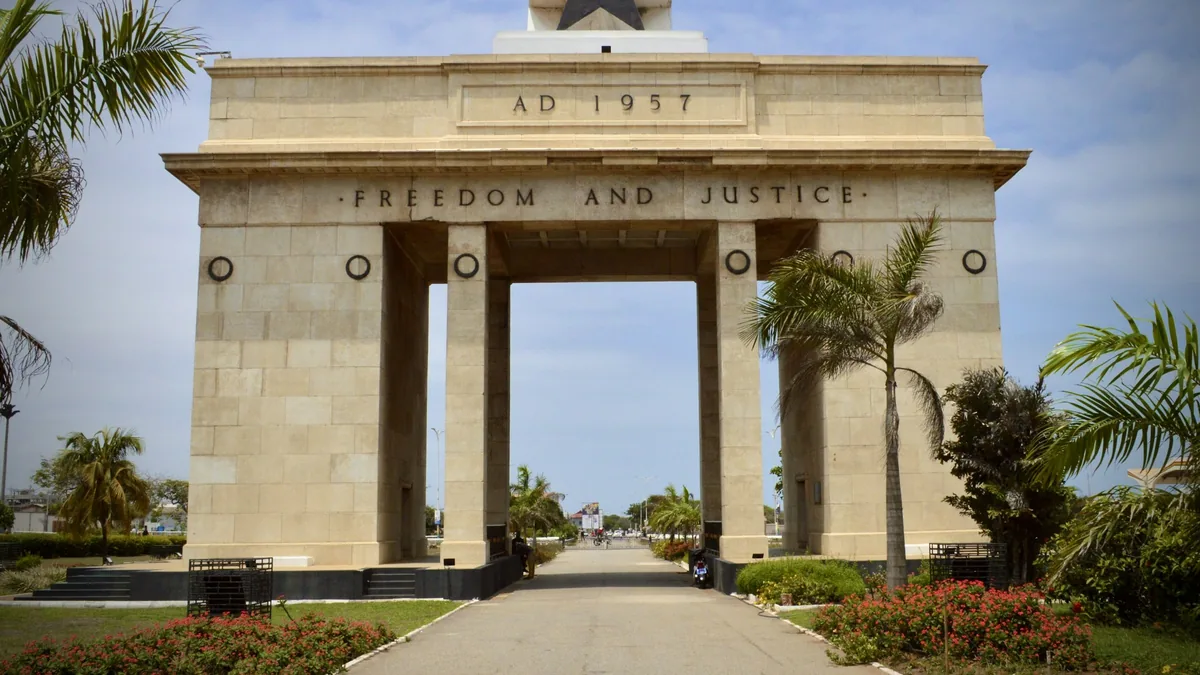
The Ghana Investment Promotion Authority Bill of 2026 contains one clause directing the Interior Ministry, in consultation with the investment authority, to enact legislation on citizenship by investment. That is the whole provision. No donation figure, no real estate option, no fund route, no processing time. Design falls entirely to a ministry that has not yet published anything.
 Nigeria · a bill through one chamber
Africa's largest economy makes a first move
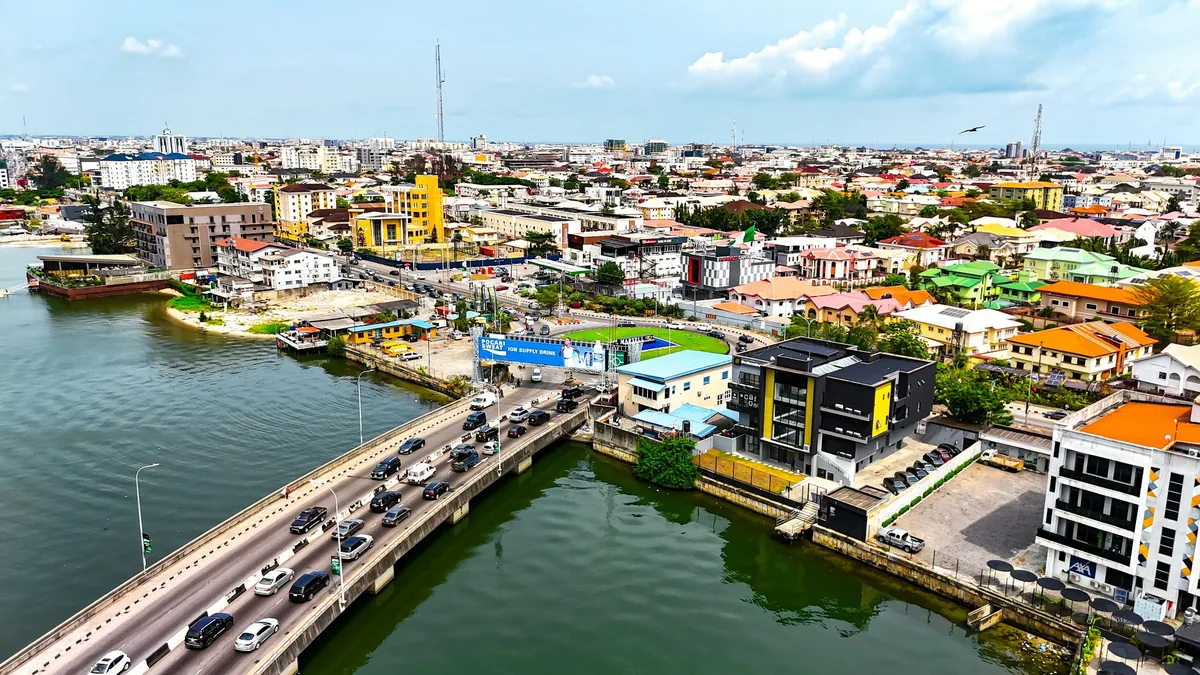
Nigeria's House of Representatives passed a citizenship by investment bill in April 2025, the first concrete legislative action on the subject from the continent's biggest economy. It is a long way from an operating programme, and the constitutional questions around naturalisation are more complex than in the smaller jurisdictions. It is still the single most consequential thing on this list if it lands.
We track both. Neither is currently something a client can act on, and we will not pretend otherwise.
Why it matters
What an African passport actually buys
Not Schengen. What these programmes buy is price, speed, regional free movement across three separate blocs, and property rights that non-citizens cannot hold.
It is worth being direct about this, because a great deal of marketing in this segment is not. None of the three live African passports competes with a Caribbean or European document on visa-free access. If a client's brief is Schengen entry, the honest answer is that this region is not the answer and the budget needs to roughly double. What Africa offers is a different set of goods entirely.
The global floor now sits on this continent
For the first time in three decades a new programme opened below USD 100,000. Every other open route in the world is now benchmarked against São Tomé, and Botswana has announced it intends to go lower.
Three blocs, three different rights
ECOWAS gives Sierra Leonean citizens movement and establishment rights across West Africa. CPLP gives São Toméan citizens standing in the Portuguese-speaking world. AfCFTA sits above both as a continental trade framework covering roughly 1.3 billion people.
Weeks and months, not years
The heritage route in Sierra Leone advertises 60 days and the standard route 90. Even allowing for the gap between marketed and actual timelines, this remains one of the fastest segments in the industry.
Freehold that foreigners cannot hold
In several of these jurisdictions non-citizens are limited to leasehold interests. Citizenship converts that into outright ownership with clean inheritance, which for clients with an operating interest on the ground is frequently the whole rationale.
The only region that discounts for descent
Sierra Leone reduces its threshold by USD 40,000 for applicants who can document African ancestry. Nothing comparable exists anywhere else in the market, and for diaspora clients it changes the arithmetic entirely.
Outside the obvious fault lines
These are non-aligned jurisdictions with limited exposure to the sanctions and diplomatic pressure that have reshaped programmes elsewhere. That neutrality is itself a form of insurance for a portfolio built on diversification.
Reference table
The Lincoln Africa Passport Index
Every African passport with an investment route attached, plus the region's strongest documents for comparison, ranked by global mobility and colour-coded by how citizenship is actually reached.
| Passport | Visa-free access | Route to citizenship | Time to citizenship |
|---|---|---|---|
| Seychelles | ~155 destinations | Indirect, investor residency | ~11 years |
| Mauritius | ~150 destinations | Indirect, PDS property or occupation permit | 5 to 7 years, faster for qualifying investors |
| South Africa | ~105 destinations | Indirect, business visa to permanent residence | ~5 years as a permanent resident |
| Botswana | ~85 destinations | Direct CBI announced, not open | Target 60 days once live |
| Namibia | ~80 destinations | Indirect, designated real estate | ~10 years |
| Cabo Verde | ~75 destinations | Indirect, investor residency | ~5 years plus conditions |
 Kenya Kenya | ~75 destinations | No investment route | Standard naturalisation only |
| Ghana | ~70 destinations | CBI clause in 2026 investment bill | Not yet designed |
| Sierra Leone | ~68 destinations | Direct CBI, GO-FOR-GOLD | 60 to 90 days |
| São Tomé and Príncipe | ~60 destinations | Direct CBI, National Transformation Fund | Marketed at 6 weeks, currently longer |
| Egypt | ~52 destinations | Direct CBI, four qualifying routes | 6 to 12 months |
| Comoros | ~50 destinations | Direct CBI, closed since 2016 | Not available |
| Nigeria | ~45 destinations | CBI bill passed one chamber in 2025 | Not yet designed |
Visa-free figures are approximate, drawn from the major global mobility indices, and shift with each quarterly update. Citizenship timelines assume standard qualifying conditions are met. Individual cases vary, and every figure on this page should be confirmed before you act on it.
Common questions
What clients ask before they file
Does South Africa have a citizenship by investment programme?
No. South Africa has never legislated for citizenship by investment and has no programme in design. Any website offering a South African passport in exchange for a contribution is describing something that does not exist.
What South Africa does offer is a business visa carrying a prescribed capital contribution and job creation obligations, which leads to permanent residence and then to naturalisation after a qualifying period of around five years as a permanent resident. It is an immigration route judged on the merits of a genuine operating business, and the processing timeline rather than the capital requirement is usually the binding constraint.
Which African countries offer citizenship by investment?
Three, as of this writing: São Tomé and Príncipe, Sierra Leone and Egypt. Botswana has announced a programme that has not opened. Ghana and Nigeria have taken legislative steps without producing a programme. Comoros operated one from 2008 and closed it in 2016.
What is the cheapest citizenship by investment in Africa?
São Tomé and Príncipe, at USD 90,000 for a single applicant and USD 95,000 for a family of up to four, before government and due diligence fees. That is also the cheapest open programme anywhere in the world. Botswana's announced USD 75,000 would take the title if and when it launches, which requires a dual citizenship amendment that has not yet passed.
Can I get an African passport without visiting the country?
For two of the three live programmes, yes. São Tomé and Sierra Leone both run remote processes with no residence requirement before or after approval. Egypt requires at least one physical visit, typically several weeks, and the qualifying investment has to be executed on the ground.
Do these countries allow dual citizenship?
All three live programmes permit it, and none requires you to renounce an existing nationality. Botswana currently restricts most forms of dual nationality, which is precisely why its programme cannot open until Parliament amends the Citizenship Act.
One live exception is worth flagging: since April 2026 São Tomé has held applications from people already holding three or more foreign nationalities, pending a legislative fix. If you hold three passports already, tell us at the first call.
Are African citizenship by investment programmes legitimate?
The three live programmes are established in domestic law, administered by named government units, and operate through licensed agents subject to published due diligence. Approvals are not automatic. Reported figures from São Tomé's first months of operation showed a meaningful share of applications declined, which is a reasonable sign that screening is real rather than decorative.
The fair criticism is not legitimacy but durability. These are young programmes in small jurisdictions, two of them still awaiting statutory tidying, and the Comoros experience is a live memory in the sector. We assess each one on its legal footing, its institutional depth and its exposure to external pressure before we recommend it, and we will tell you where the risk sits rather than round it off.
Which African passport is the strongest?
Seychelles, followed by Mauritius and South Africa. None of those three has a direct citizenship by investment programme, which is the central trade-off of this region: the fastest and cheapest documents are not the strongest ones, and the strongest ones ask for five to eleven years of residence.
Can I use an African citizenship as a route to Portugal or the EU?
Not directly. CPLP membership gives São Toméan and Cabo Verdean citizens preferential standing in the Portuguese-speaking world, including a mobility agreement framework with Portugal, but it is not a route to Portuguese nationality and it does not confer EU rights. Anyone selling it as an EU back door is overselling it. If the EU is the objective, we will point you at the European desk instead.
What's next for the region
Botswana is the hinge point for everything that follows
Africa added two programmes in nine months and moved the global price floor while doing it. Whether that becomes a trend or a moment depends largely on Botswana. It is the most institutionally credible entrant the continent has produced, and if it launches cleanly at USD 75,000 with a functioning supervisory authority behind it, the pressure on every other programme in the world to justify its pricing becomes considerable. Ghana and Nigeria would then have a template to copy rather than a risk to weigh.
If instead the dual citizenship amendment stalls, the regulations stay unwritten, and pre-registrations sit unanswered into 2027, the market reads it the other way: that announcing a programme is easy and operating one is not. Africa stays a three-programme cluster, São Tomé keeps the price floor, and the two bills in West Africa lose momentum.
We design around both outcomes, and we do not build a client's timeline on a programme that has not opened.
 Written by
David Lincoln
Founder & Chief Executive, IMCM
Written by
David Lincoln
Founder & Chief Executive, IMCM
Writes the LatAm Linc column for IMI Daily and leads LGP's programme durability work across emerging citizenship jurisdictions.
Last reviewed 1 September 2026. Programme terms are set by the relevant government and can change; confirm any figure before acting on it.
This guide is provided for general informational purposes and reflects publicly available programme terms as at the date above. Botswana's programme is unlaunched and its thresholds, timeline and legal basis remain unconfirmed. Nothing here constitutes legal, tax or investment advice. Prospective applicants should confirm all figures and requirements with licensed counsel in the relevant jurisdiction before proceeding.
Last reviewed 2 September 2026.
This guide is general information, not legal, tax or immigration advice. Programme terms are set by the relevant government and can change; confirm any figure with the authority, or with us, before acting on it.