














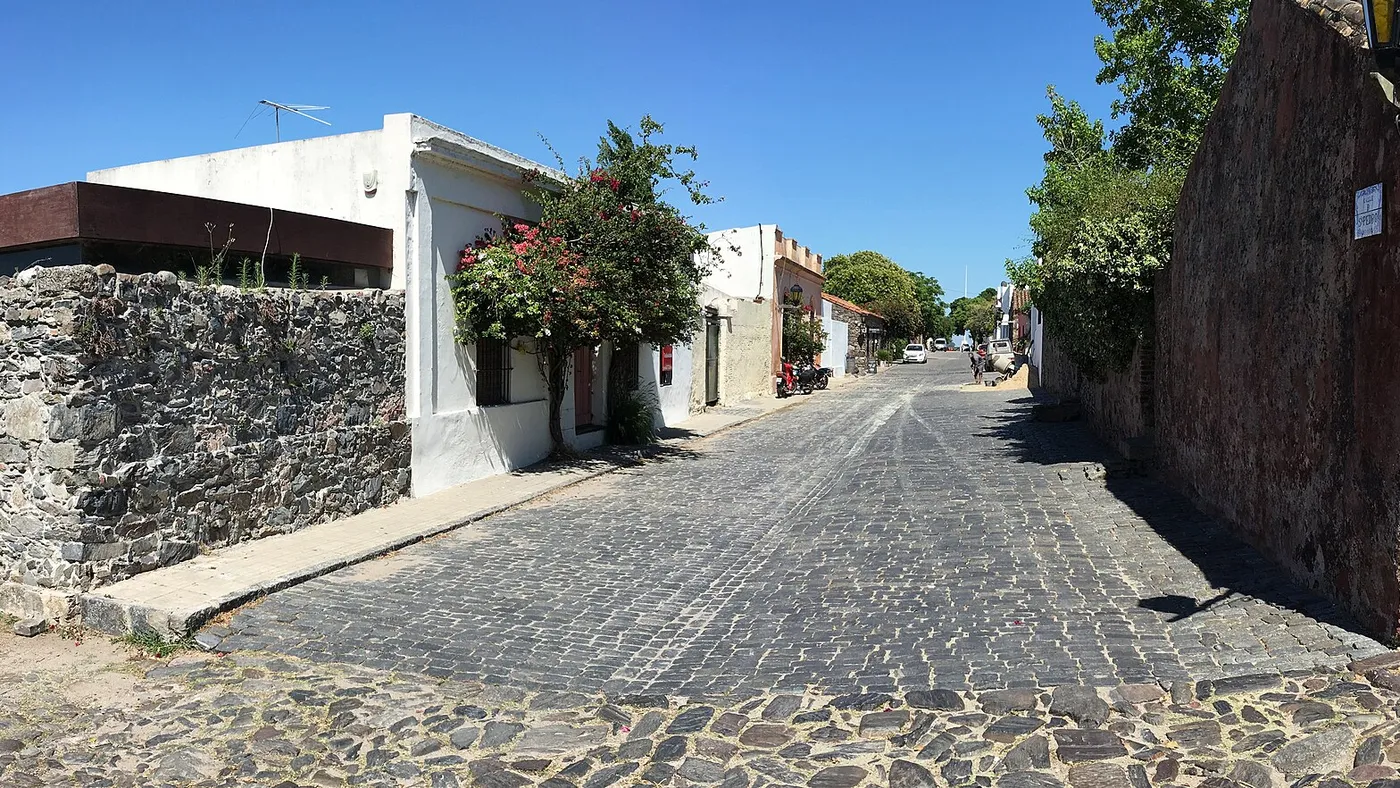
Uruguay grants permanent residency directly, with no temporary stage and no investment. You need a clean criminal record and proof of stable, lawful income of around USD 1,500 a month for a single applicant (more for a family), certified by a Uruguayan notary and filed in person in Montevideo. Spouse and minor children get the same status. Once granted, residency is kept by not staying away for more than three years at a time, so one visit every three years is enough. Citizenship follows after three years of real residence for married applicants and five for single applicants.
That combination is why we call Uruguay the blue chip residency of South America. Most countries make you pay for residency in one of two currencies: capital, through a golden visa, or time, by living there half the year. Uruguay asks for neither. What it asks for is that you can support yourself, and that you show up to file.
Uruguay permanent residency at a glance
| Formal name | Residencia permanente, most often through the "medios de vida propios" (own means of living) route, known as the Rentista |
|---|---|
| Authority | Dirección Nacional de Migración (DNM), Ministry of the Interior |
| Investment required | None |
| Income | Around USD 1,500 a month for a single applicant; in practice USD 2,500 to 3,000 for a couple or family, depending on dependants |
| Status on grant | Permanent from the first issuance; cédula de identidad (national ID card) |
| Family | Spouse or partner and minor children, with identical status |
| Processing | Interim status from the filing date; final grant has taken between 6 and 24 months, so plan for at least a year |
| Keeping it | No absence of more than three years; one visit every three years |
| Citizenship | 3 years of residence (married or with a family formed in Uruguay) or 5 years (single), with real presence and a Spanish interview |
| Dual nationality | Allowed, no renunciation |
| Tax residency | A separate decision; see Uruguay tax residency |
Why Uruguay works as a Plan B residency
Permanent from day one. There is no temporary permit to renew every year or two, no provisional stage and no renewal cycle for the status itself. The same direct model is used by Panama; most of Latin America makes you hold temporary residency first.
Light to keep. Independent-means visas exist in many countries, but almost all of them expect you to live there to renew. Uruguay's permanent residency is only lost after more than three years away, which is what makes it work as insurance: a residence card in your wallet that lets you pack your bags tomorrow and be somewhere stable, without having moved yet.
The country itself. Uruguay is the least corrupt country in Latin America on Transparency International's index, the safest in South America, the region's most stable democracy, and geopolitically neutral, far from today's conflict zones. It is a developed, small economy with a conservative banking sector, not a remote island of 100,000 people.
A real route to a passport. If you do relocate, citizenship comes after three or five years, dual nationality is allowed, and the passport gives visa-free or visa-on-arrival access to around 150 destinations, including the Schengen Area and the UK, plus Mercosur settlement rights.
For the past year I've been telling anyone who'd listen that Uruguay is one of the best Plan B residencies in South America. It's the closest thing left to a golden visa without the investment, and I don't expect it to stay this accessible forever: most of the region has tightened its permanent residency rules in recent years.
— David Lincoln, Founder & CEO
The routes to permanent residency in Uruguay
Uruguay does not have a golden visa. There is no investment you are required to make, no property you must buy and no donation. The routes our clients use are:
Own means of living (Rentista)
The main route for financially independent applicants: stable, lawful income from outside Uruguay. Pensions, dividends, rental income, annuities and investment returns all qualify, and in our experience stable employment or remote-work income from a foreign employer or clients can qualify too when it is properly documented. What does not qualify is a salary or freelance work originating inside Uruguay: this route is for people supported from abroad, not people arriving to look for work.
Pensioners (Pensionado)
Retirees use the same framework with a pension as the income source. The documentation is simpler because a pension award letter is the cleanest income evidence there is. Retirement-specific questions (where to live, healthcare, cost) are covered in our guide to retiring in Uruguay.
Investors and business owners
Income from an investment or business in Uruguay can support the application too, for example rental income from Uruguayan property or the profits of a company you set up there. This is an income route, not a golden visa: what the file proves is the income, not the size of the purchase. It is unrelated to the investment thresholds for the tax holiday, which are a different instrument entirely.
Mercosur nationals and family ties
Nationals of Mercosur and associated states (Argentina, Brazil, Paraguay, Bolivia, Chile, Peru, Colombia, Ecuador and others) have a simplified residency route under the Mercosur residence agreement, with lighter income evidence. Spouses, partners, parents and siblings of Uruguayan citizens have their own family-ties route.
Requirements and income: what Uruguay actually checks
- Identity and civil status: a valid passport and apostilled birth and marriage certificates.
- A clean criminal record from every country you have lived in over the past five years (an FBI background check for US applicants).
- Income evidence: stable, lawful income of around USD 1,500 a month for one person, with more required for each dependant. The DNM looks at whether the income covers the household, so there is no single published family figure; in practice we prepare files at USD 2,500 to 3,000 a month for a couple or family.
- Notarial income certification: the income is formalised by a Uruguayan public notary (escribano) or certified accountant in the format the DNM accepts. This certificate is the substantive part of the file.
- A Uruguayan address: a lease, a property deed or a notarised host declaration.
- A health certificate (carné de salud), issued in Uruguay.
There is no language test, no exam and no minimum stay for the residency itself. Spanish only becomes a requirement later, at the citizenship interview.
Document checklist
Every foreign document must be apostilled (or legalised through a consulate where the Hague Convention does not apply) and translated into Spanish by a certified translator. Apostille at home before you travel: it is faster and cheaper than doing it remotely later.
| Group | Documents |
|---|---|
| Identity and civil status | Passport with 6+ months' validity; apostilled birth certificate; apostilled marriage certificate (it decides the three-year citizenship track); apostilled birth certificates for children; passport photographs |
| Background and health | Apostilled criminal record certificates for every country of residence in the past five years; FBI check for US applicants; carné de salud, issued in Uruguay |
| Income | Notarial income certification; foreign bank statements for the prior 6 to 12 months; pension award letters, dividend statements or rental contracts; tax returns for the prior two years; a bank reference letter |
| Residence | Uruguayan address evidence (lease, deed or notarised host declaration); a Uruguayan bank account, opened in person |
Requirements vary with nationality, family status and the individual file, so we issue a tailored checklist at the start of every engagement.
The process, step by step
- Strategy session (week 1). We assess the income and its source, decide who is included, and scope the citizenship timing (three-year or five-year track) and the separate tax question.
- Documents (weeks 2 to 5). Collection, apostille and certified Spanish translation of civil status documents, criminal records and income evidence.
- Income certification (weeks 4 to 6). The notary prepares the certificación de ingresos from your bank statements and income evidence.
- The filing trip (5 to 10 days in Montevideo). In person: the notarial certification, opening a bank account, the carné de salud, address registration, and the filing with the DNM, including biometrics. You receive the interim document from the filing date.
- The interim period. From filing you can live in Uruguay legally, travel in and out, work, bank and access healthcare while the DNM processes the file.
- Permanent residency granted. The cédula is collected in person once the grant is confirmed.
- Optional: tax residency. A separate decision with the DGI; see tax residency and the 11-year holiday.
Most of the file is handled by our team and Uruguayan counsel without you. Three moments need you on the ground: the filing trip, collecting the cédula, and one visit every three years after that.
— David Lincoln, Founder & CEO

Not sure how this fits your strategy?
A focused consultation to assess your objectives and shortlist the right options.
How long it takes and what it costs
The filing itself can be ready about six weeks after you start, most of that spent on apostilles and translations. After filing, the DNM's processing time is the variable: final grants have taken anywhere from 6 to 24 months in recent years. What makes the wait painless is that your status is protected from the filing date, and the residence time that counts toward citizenship starts with your residence in Uruguay, not with the date of approval.
Government fees are small. The real costs are the notary's income certification, translations and apostilles, the filing trip, and legal or advisory fees, which are a fraction of what a golden visa's legal work costs. Because they depend on family size and the complexity of the income evidence, we quote an all-in figure after the strategy session.
Keeping your residency: the three-year rule
Permanent residency in Uruguay is lost if you stay outside the country for more than three years in a row. There is no minimum number of days per year. One visit every three years keeps the status alive, and the cédula itself is renewed in person periodically.
This is the feature that separates Uruguay from almost every independent-means visa in the world, which expect you to live in the country to renew. It is also why the residency fits a Plan B so well: you can hold it for years while living elsewhere, and move the day you need to.
Two things the light rule does not do. It does not make you a Uruguayan tax resident: tax residency follows its own tests. And it does not count toward citizenship: for the passport, Uruguay expects you to actually live there.
Including your family
A spouse or partner and minor children are included in the same application and receive identical permanent residency, with the right to live, work and study in Uruguay. The income has to cover the whole household. Adult children, parents and other dependants generally need their own qualifying application, and every adult needs a clean criminal record.
Legal residency is not tax residency
The most common misunderstanding about Uruguay: holding permanent residency does not make you a Uruguayan tax resident, and you can keep the residency for life without ever entering the tax system. Tax residency is a separate status decided by the DGI, mainly by spending more than 183 days a year in the country.
Since 1 January 2026, under Law 20.446, new tax residents can still elect an 11-year holiday on foreign investment income, but the ways to qualify without living there half the year have become expensive: around USD 2 million in Uruguayan real estate, or USD 100,000 a year into the National Innovation Fund for 11 years. If you do relocate and spend more than 183 days a year there, you qualify for the holiday without investing anything. The full rules are in our guide to Uruguay tax residency and the 11-year tax holiday.
From permanent resident to Uruguayan citizen
Citizenship comes from Article 75 of the Constitution: three years of habitual residence for applicants with a family formed in Uruguay (married, or with Uruguayan children) and five years for single applicants. The application goes to the Corte Electoral, which checks real presence (typically more than 183 days a year through the qualifying period), ties to the country, a clean record and an interview in Spanish. Dual nationality is allowed, with no need to renounce your existing passport.
Two points most guides leave out. First, naturalised Uruguayans become "legal citizens", a constitutional category distinct from natural-born citizens, and Uruguay's passports for legal citizens have historically shown the country of birth in the nationality field, which some countries' border systems have treated as a problem. A 2025 attempt to change the passport format was reversed within months, and as of 2026 the fix depends on legislation still in parliament. We advise clients on this case by case before they plan travel on a Uruguayan passport. Second, Spain's two-year naturalisation rule for Latin Americans applies to nationals of origin, so it does not generally shorten the route to Spanish citizenship for a naturalised Uruguayan.
For most clients, the residency, not the passport, is the point. Those who want a second passport without relocating usually pair Uruguay with a citizenship route elsewhere; we explain the pairing we build most often in Argentina citizenship and Uruguay residency: how to combine them.
Our experience in Uruguay
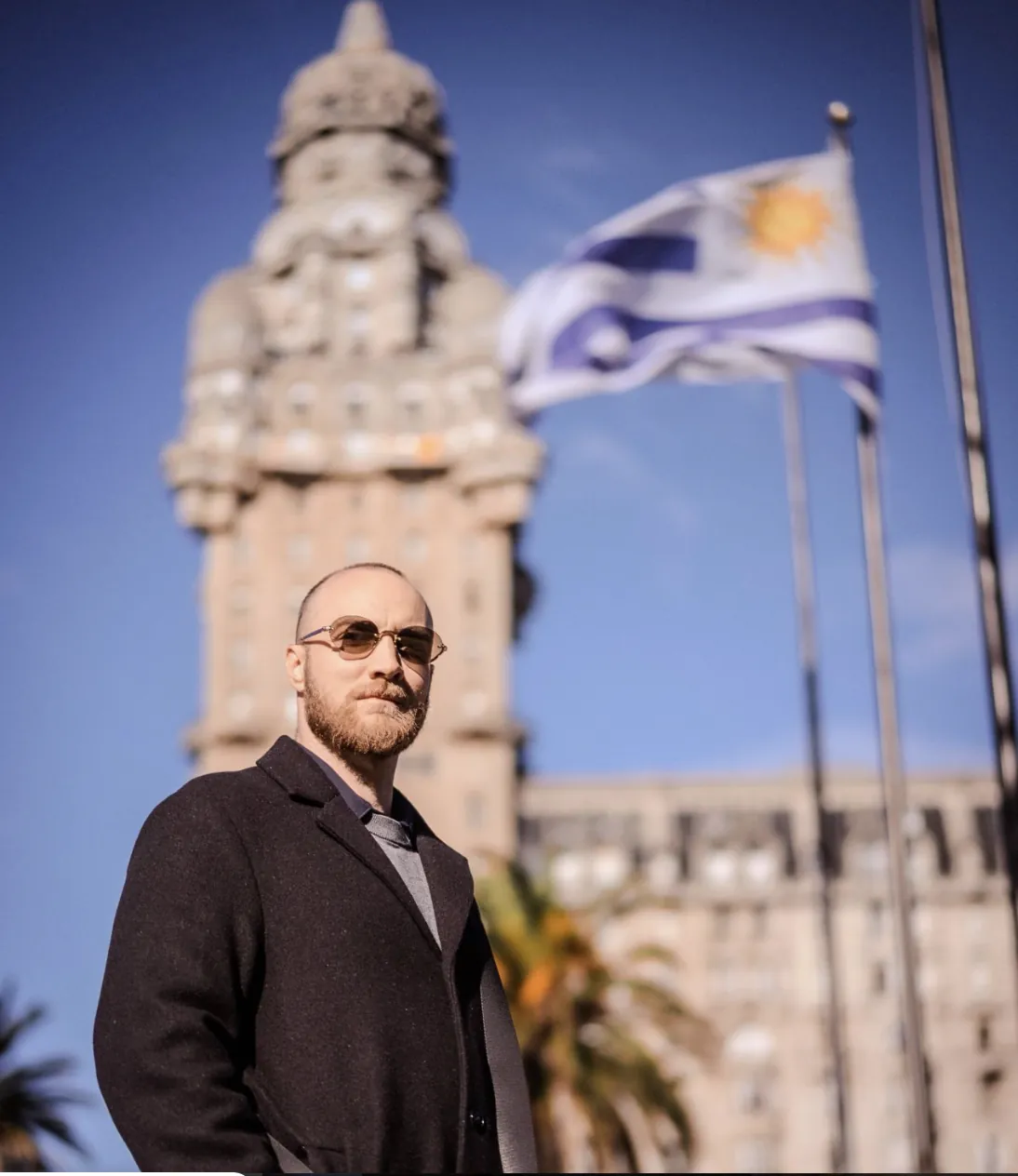
Uruguay is the Southern Cone programme our practice handles most consistently. Our founder, David Lincoln, is based in the region, holds permanent residency in Paraguay and filed his own Uruguayan residency application in 2026. Matías Aguayo, our residency and citizenship consultant for Latin America, works the Uruguay files with licensed Uruguayan counsel and notaries in Montevideo.
We compare Uruguay against its neighbours every week. If speed and cost matter most, Paraguay's residency is faster and cheaper; if you need a passport soon, a citizenship programme is the better first move; if you want the most stable place in the region to hold a residence card, it is Uruguay. Our Latin America Plan B guide compares every route in the region.
Frequently asked questions
Can I get permanent residency in Uruguay without investing?
Yes. Uruguay has no golden visa and no investment requirement. Permanent residency is based on stable, lawful income of around USD 1,500 a month for a single applicant, a clean criminal record and an in-person filing in Montevideo.
How much income do I need for Uruguay residency?
Around USD 1,500 a month for a single applicant. The amount rises with each dependant because the income has to cover the household; we prepare family files at USD 2,500 to 3,000 a month. The income does not need to be from investments: pensions, rental income, dividends and documented foreign employment or remote-work income are used.
How long can I stay outside Uruguay without losing permanent residency?
Up to three years at a time. Permanent residency is lost after more than three years of continuous absence, so one visit every three years keeps it.
How long does Uruguay permanent residency take?
The file can be ready to submit in about six weeks. After filing, the DNM's final grant has taken between 6 and 24 months; your legal status is protected from the filing date, so you can live, work and travel while you wait.
Do I need to live in Uruguay to get residency?
No. You must travel to Montevideo to file (allow 5 to 10 days) and to collect your cédula, but there is no minimum stay for the residency. Living there only matters if you want tax residency or citizenship.
Do I need to speak Spanish?
Not for residency: we handle the authorities through licensed counsel. Spanish is tested only at the citizenship interview, three or five years later.
Can my family be included?
Yes. A spouse or partner and minor children receive the same permanent residency. Adult children and parents generally need their own application.
Does Uruguay residency make me a tax resident?
No. Tax residency is separate and mainly depends on spending more than 183 days a year in Uruguay. See our Uruguay tax residency guide.
When can I apply for Uruguayan citizenship?
After three years of residence if you are married or have a family formed in Uruguay, or five years if you are single, with real presence in the country and a Spanish interview at the Corte Electoral. Dual citizenship is allowed.
Is Uruguay or Paraguay better for residency?
Paraguay is faster and cheaper to obtain; Uruguay is the stronger long-term base, with a more stable institutional record, permanent status from day one and a three-year absence rule. Many clients hold both. Our Paraguay residency guide sets out the other side.

Last reviewed 8 October 2026.
This guide is general information, not legal, tax or immigration advice. Programme terms are set by the relevant government and can change; confirm any figure with the authority, or with us, before acting on it.