





























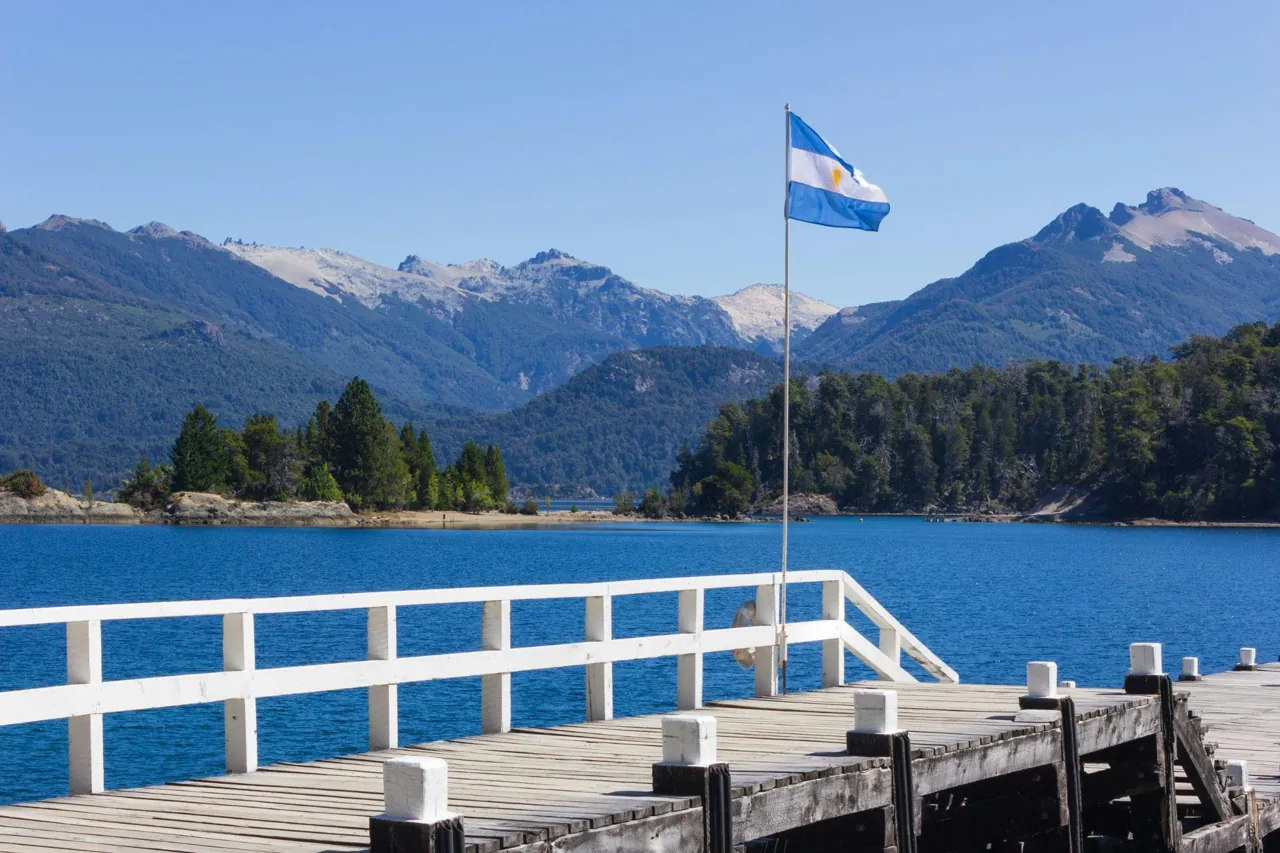
On 2 October, Argentina priced its citizenship by investment programme: a USD 350,000 contribution to the National Treasury, or a USD 800,000 government bond, with no residence required. It is South America's first citizenship by investment programme since Peru's short-lived scheme of 1993, and applications are targeted for the fourth quarter of 2026. (Our Argentina citizenship by investment guide covers the full terms.)
The Argentine passport is a strong one: 169 visa-free or visa-on-arrival destinations, including the Schengen Area and the United Kingdom, a G20 nationality, and E-2 treaty status for the US investor visa. But the most important decision a family makes is not whether to get the passport. It is where to be resident once they have it.
The short version:
- Argentina is the passport: citizenship by investment from USD 350,000, no residence required, 169 visa-free destinations.
- Argentina taxes residents on worldwide income, so for most investors it is the right passport but not the right tax home.
- Uruguay is the blue chip residency of South America: direct permanent residency, no investment required, and an 11-year holiday on foreign investment income for new tax residents, around two hours from Buenos Aires by ferry.
- The order matters. Uruguay residency can take 12 to 24 months to process, so it is worth starting before Argentina's programme even opens.
- The 2026 rules changed. Uruguay's tax holiday is still there, but the ways to qualify for it have tightened.
The mistake most investors make
When a new citizenship by investment programme launches, most of the attention goes on the price. But the question we spend the most time on with clients is a different one: once you have the passport, where are you actually resident?
Argentina's programme offers what clients look for: a G20 nationality, 169 visa-free or visa-on-arrival destinations including Schengen and the UK, E-2 treaty status for the US investor visa, and a culture people genuinely want to live in.
But a passport on its own only answers where you can travel. It does not answer where you live, where you pay tax, where your company and bank accounts sit, or where you would go if you needed to.
"Argentina has the best citizenship by investment programme that you can acquire. But if you're looking to relocate to Argentina, then it's perhaps not the best option, given that Argentina taxes worldwide income."
— David Lincoln, Founder & CEO
How we build a Plan B: five layers
We design every Plan B in layers, each chosen on purpose and often in a different country.
| Layer | The question it answers | In the Uruguay-Argentina strategy |
|---|---|---|
| 1. Passport | Where can you travel, and what can you pass on? | Argentina, through citizenship by investment |
| 2. Tax base | Where are you tax resident? | Uruguay |
| 3. Structure | Where do your company and banking sit? | Uruguay, including free zone companies |
| 4. Lifestyle | Where do you actually want to spend your time? | Montevideo, Punta del Este, Buenos Aires |
| 5. Next move | Where could you go next? | Mercosur: settlement rights after 5 years holding the passport |
A passport only answers layer one. The value is in designing all five together.

Does Argentina citizenship by investment make you a tax resident?
No, not by itself. Argentina taxes its tax residents on their worldwide income, but under Article 194 of Law 27,802, naturalising through the investment route does not on its own make an investor tax resident. Moving to Argentina, however, would. That is the opening for Uruguay.
Uruguay: the blue chip residency of South America
"For the past year I've been telling anyone who'd listen that Uruguay is one of the best Plan B residencies in South America. I call it the blue chip residency of the region, given Uruguay's status as South America's most stable democracy. So I stopped talking about it and did it myself."
— David Lincoln, Founder & CEO
David recently filed his own permanent residency application in Montevideo and picked up his provisional cédula, in a one-week trip that also left time for business meetings, client meetings and real estate viewings.
Uruguay keeps a low profile. Argentine and Brazilian wealth has been parked there safely for years, and now Europeans and Americans are arriving. What makes it the natural partner to an Argentine passport:
- Direct permanent residency, with no temporary stage first
- No investment required
- The most stable democracy in South America
- One of the least corrupt countries in the world on Transparency International's Corruption Perceptions Index
- Strong banking, with US dollar accounts widely available
- A good base for companies, including free zones for international business
- A territorial tax system, with an 11-year holiday on foreign investment income for new tax residents
- Quality of life, with world-class beaches
- Good connections, and around two hours from Buenos Aires by ferry
"You can actually combine the two: citizenship in Argentina, residency in Uruguay. The citizenship, the passport and the culture of Argentina, with the stability and structure of Uruguay. It's stable, it's extremely safe, and it's a great place to live, close to the action in Buenos Aires."
— David Lincoln, Founder & CEO
There is also a less obvious reason the two fit together. Uruguay's own naturalisation route takes three to five years of genuine residence, and the passport issued to naturalised citizens records the holder's country of birth rather than Uruguayan nationality. For many clients, that makes Uruguay the better place to live and Argentina the better passport to hold.

Uruguay residency in 2026: what it takes
Uruguay is unusual in granting permanent residency directly, without a temporary stage first. The main routes for our clients are:
- Rentista: based on stable passive income, typically assessed at around USD 1,500 a month for a single applicant and around USD 3,000 for a family
- Investor: linked to an investment or business in Uruguay
- Pensionado: for retirees with a pension
Applications are filed in person with the Dirección Nacional de Migración, and you leave with a provisional cédula (identity card). Final approval typically takes 12 to 24 months, and the provisional document allows you to live in Uruguay legally while you wait.
Keeping it light-touch. To maintain permanent residency, you need to visit Uruguay at least once every three years. There is no pathway to citizenship unless you actually live in the country, so treat it as a residency play, which is exactly why it pairs so well with an Argentine passport.
Uruguay's tax holiday after the 2026 changes
Legal residency and tax residency are not the same thing. To benefit from Uruguay's tax regime, you need to be a Uruguayan tax resident.
Uruguay's 2026 tax reform, in force from 1 January 2026, kept the headline benefit: new tax residents can elect an 11-year holiday on foreign investment income (the year they become resident plus the following ten). But it changed how you qualify:
- Physical presence: more than 183 days a year in Uruguay, unchanged
- Real estate: the investment threshold rose to around USD 2 million, from around USD 590,000
- National Innovation Fund: USD 100,000 a year for 11 years
- Business investment: around USD 2.4 million
Residents who are not on the holiday now pay 12% on foreign investment income. People who already held the holiday before 2026 keep their original terms.
In practice, this means the strategy now works best for families who will genuinely live in Uruguay for more than half the year, or who are investing at a level where the larger thresholds make sense. That is a design question, and it is one we answer case by case.
The order matters: a sample timeline
| When | Step |
|---|---|
| Now | Strategy session; decide who to include; document source of funds |
| Now | Begin Uruguay residency, given 12 to 24 months of processing |
| Q4 2026 (target) | Argentina's programme opens; file the citizenship application |
| After due diligence | Pay the contribution or subscribe to the bond; decision; biometrics visit expected |
| Year 1 in Uruguay | Spend more than 183 days to qualify as a tax resident; elect the holiday |
| Ongoing | Company, banking and investments structured around the plan |
Argentina's sequence of payment, approval and biometrics is based on the programme as presented and remains subject to the implementing regulation.
A worked example
A couple with two children under 18, with most of their wealth in foreign investments:
- Passport: Argentine citizenship for all four, on the donation route: USD 500,000 in contributions, plus fees not yet published.
- Tax base: permanent residency in Uruguay, living in Montevideo for most of the year, electing the 11-year holiday on foreign investment income.
- Structure: a Uruguayan company and local banking for their activity in the region.
- Lifestyle: Buenos Aires for culture and family weekends, Punta del Este for summers.
- Regional mobility: after five years as Argentine citizens, Mercosur residence rights across much of South America.

Not sure how this fits your strategy?
A focused consultation to assess your objectives and shortlist the right options.
Who this strategy suits, and who it does not
It suits:
- Families who want a strong second passport and a place they would genuinely live
- Investors with mainly foreign income who are willing to spend real time in Uruguay
- Entrepreneurs who want a stable regional base for a company and banking
- Families who want the option to live elsewhere in South America in the future
It is less suited to:
- Anyone who wants the tax benefits without spending meaningful time in Uruguay
- Families planning to live full time in Argentina itself, who may be better served by Argentina's two-year naturalisation route (see below)
Blue chip and growth: one of each
David holds residency in two Southern Cone countries, and each plays a different role.
"I already hold residency in Paraguay, which is my growth play. Uruguay is my blue chip. My rule for clients and for myself: hold one of each, never two from the same category. If you're building your own Plan B, start with the blue chip."
— David Lincoln, Founder & CEO
| Uruguay: the blue chip | Paraguay: the growth play | |
|---|---|---|
| Character | Stability, institutions, a long track record | Momentum, low costs, a fast-growing economy |
| Tax | Territorial, with an 11-year holiday for new tax residents | Territorial, foreign-source income generally not taxed |
| Best for | Family relocation, retirement, structuring | Lean tax residency, entrepreneurs, digital nomads |
Paired with an Argentine passport, this gives a family a strong citizenship, a stable home base and a growth option, each in a different country.
Other Latin America combinations
Argentina and Uruguay is the combination we are building most often, but the same layered thinking applies across the region.
- Argentina + Paraguay: Paraguay taxes on a territorial basis, so foreign-source income is generally not taxed, and residency demand is at a record. See our guides to Paraguay tax residency and the Paraguay Investor Pass.
- Paraguay + Brazil: tax residency in Asunción, lifestyle in Brazil, supported by investor residency through Brazilian real estate.
- Panama + Mexico, the Dominican Republic or Costa Rica: the hub of the Americas, with strong banking and proximity to the US. See Panama residency by investment.
For every option side by side, see our overview of Latin American residency as a Plan B and our comparison of Latin America golden visas.

If you are moving to Argentina itself
For families who plan to live in Argentina full time, there is a slower and cheaper path to the same passport. Argentina's ordinary naturalisation route opens after two years of continuous legal residence, for example on the Rentista visa, which requires passive income of around USD 2,000 a month.
Invest capital, and the residence requirement falls away. Invest time, and the capital requirement does.
What is still uncertain
A good strategy is honest about what is not yet known:
- Argentina's implementing regulation, final fees and agent accreditation criteria have not been published.
- A Supreme Court appeal over the decree that waives the residence requirement is pending.
- Q4 2026 is the government's target, not a guarantee.
- Uruguay's 2026 tax rules are new, and their application to individual cases should be reviewed with a tax adviser.
Frequently asked questions
Can I hold Argentine citizenship and live in Uruguay?
Yes. Argentine citizenship by investment does not require you to live in Argentina, so you are free to establish residency in Uruguay. Argentina recognises dual citizenship, though your home country's rules also apply.
Does Uruguay tax foreign income?
New tax residents can elect an 11-year holiday on foreign investment income. Without the holiday, foreign investment income is now taxed at 12%. Since 2026, the main ways to qualify are spending more than 183 days a year in Uruguay or investing at the higher thresholds.
How long does Uruguay residency take?
Typically 12 to 24 months from a complete application, with an interim document that allows you to live there legally in the meantime.
How far is Montevideo from Buenos Aires?
Around two and a half hours by boat across the Río de la Plata.
Does an Argentine passport give me residence rights in Uruguay?
Argentine nationals can use the Mercosur Residence Agreement to live across much of South America. For naturalised citizens, this applies once citizenship has been held for five years. Until then, Uruguay's own residency routes apply.
How much does Argentina citizenship by investment cost?
From USD 350,000 for a single applicant on the donation route, or USD 500,000 for a family of four with two children under 18. Government, due diligence and processing fees have not yet been published.
Why Lincoln Global Partners
"We are not new to Argentina. We have been helping our clients acquire residency in Argentina and across the Southern Cone for the past four years. We are not just going to be offering Argentine citizenship. We're going to be offering the full package."
— David Lincoln, Founder & CEO
Our team lives in the jurisdictions we advise on. We file through licensed counsel in each country and support clients from the first call to passport, residence card, company and bank account. Through our partners, clients can also invest across the region, from luxury real estate in Buenos Aires to wine, mining, tourism and farming.
Book your Sovereign Strategy Session → A confidential conversation to prepare your Argentina file and design the residency strategy around it.
About the author
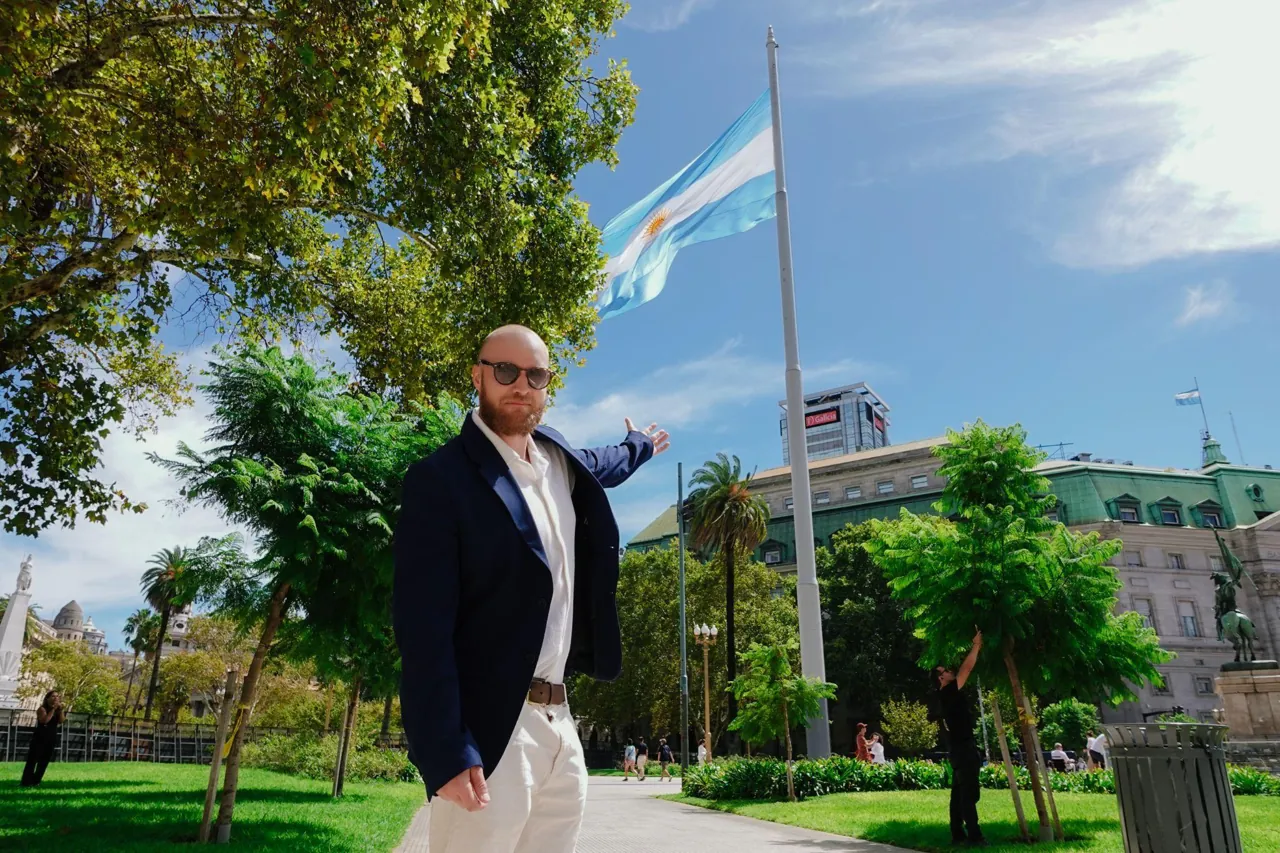
David Lincoln is the founder and CEO of Lincoln Global Partners. British, with permanent residency in Paraguay, he spent a decade as a location-independent entrepreneur across South America, Asia and Europe before founding the firm, and now lives in Latin America. He writes a regular column for IMI Daily, is a member of the Investment Migration Council, and has been quoted on Argentina's programme by Bloomberg.
This article is for general information only and does not constitute legal, tax or investment advice. Argentina's programme is not yet open, and all figures are as announced on 2 October 2026, subject to the implementing regulation and pending court proceedings. Tax outcomes depend on individual circumstances and should be reviewed with qualified advisers.

Last reviewed 8 October 2026.
This guide is general information, not legal, tax or immigration advice. Programme terms are set by the relevant government and can change; confirm any figure with the authority, or with us, before acting on it.